Yeading Lane Bridge – Structural Assessment and CFRP Strengthening
Project Summary
Client: CRL
Location: Yeading Lane, Hillingdon, London
Project Type: Existing reinforced concrete highway bridge assessment and CFRP strengthening
Project Status: Strengthening design issued for construction; installation status to be confirmed
Services Provided
-
Bridge inspection
-
Bridge structural investigation, including intrusive testing and non-destructive testing (NDT)
-
Structural assessment and structural analysis
-
UK National Highways traffic and special vehicle loading assessment
-
Carbon Fibre Reinforced Polymer (CFRP) strengthening design and independent Category II check
-
Technical Approval in Principle (AIP) documentation and construction drawings
-
Installation methology, quality assurance and inspection planning
1. Background
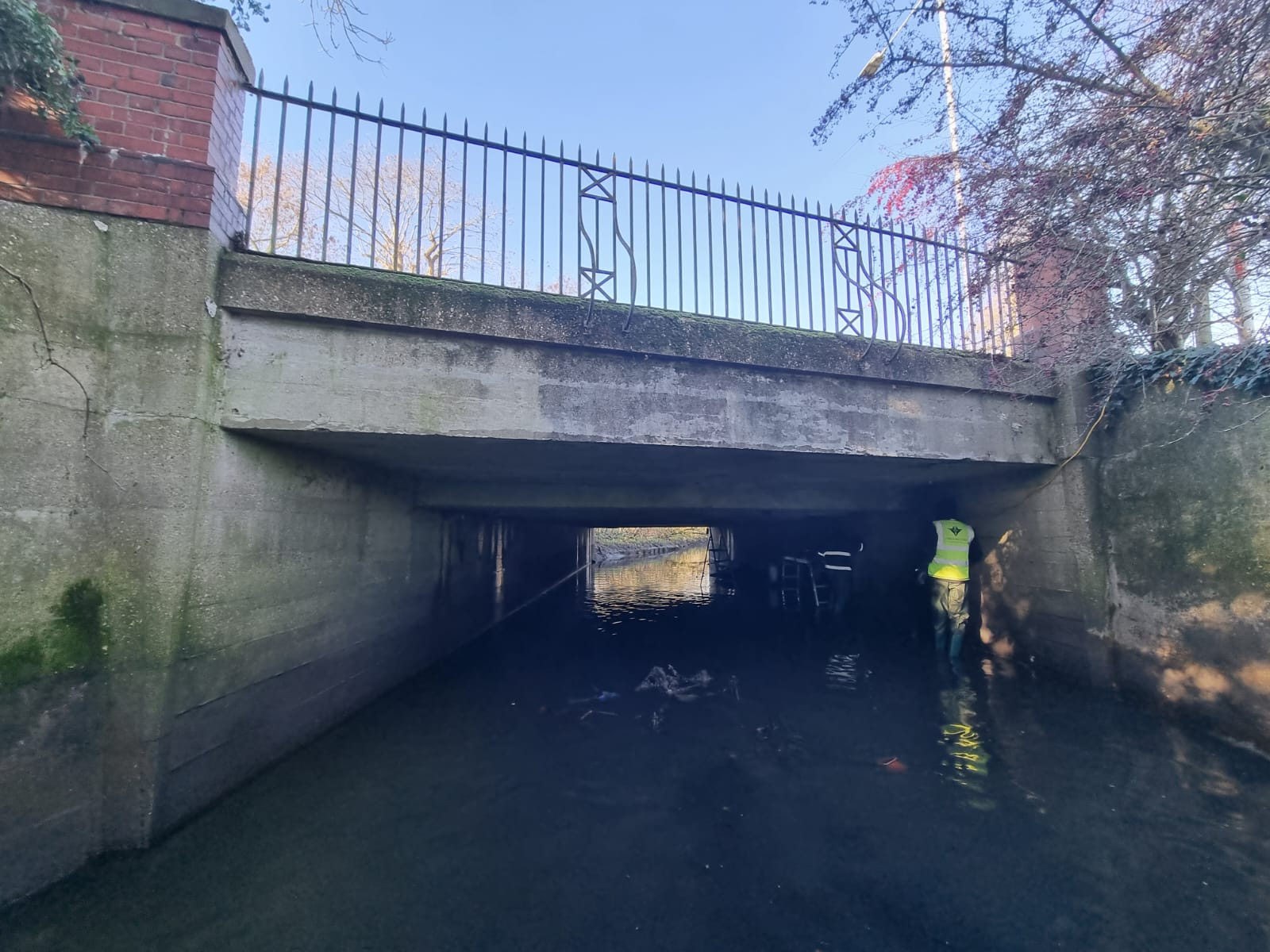
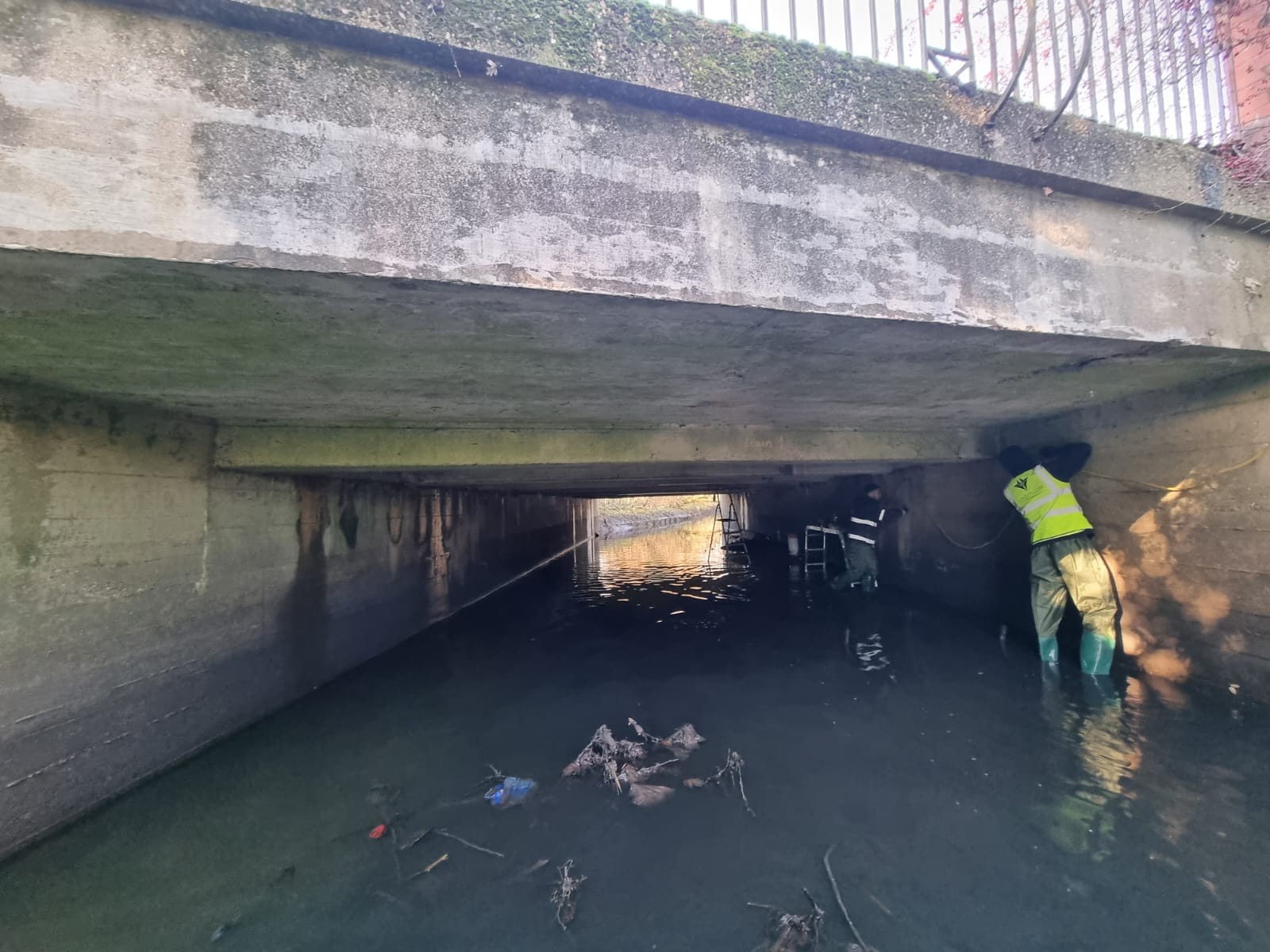
Yeading Lane Bridge is an existing reinforced concrete highway bridge carrying Yeading Lane across Yeading Brook in the London Borough of Hillingdon, west London. The crossing forms part of the local road network and accommodates road traffic and pedestrians. As an operational highway structure over a watercourse, the bridge presents constraints that differ from those of a new-build structure: any intervention must respond to the existing construction, maintain appropriate structural performance and take account of the surrounding highway and brook environment.
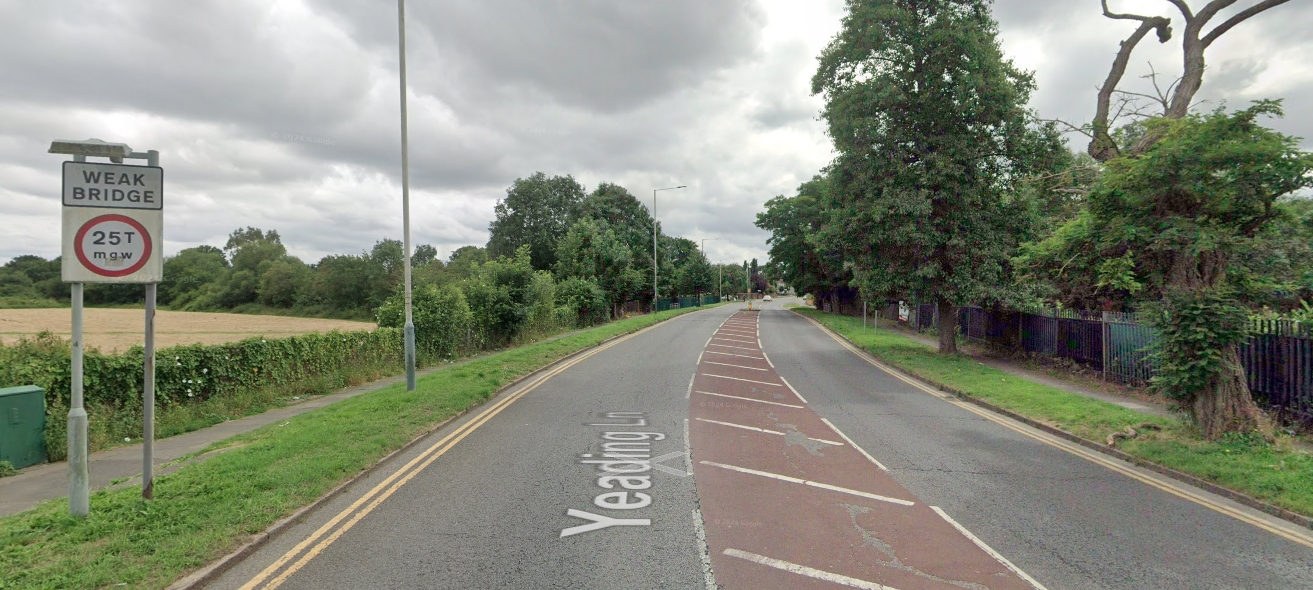
The bridge comprises a reinforced concrete deck supported by a series of beams. Its existing arrangement and the condition of the concrete and reinforcement were central to the engineering assessment. Historical concrete core-test records, together with more recent inspection and testing information, were reviewed to establish suitable material assumptions and identify areas requiring attention. The assessment also considered the bridge’s ability to carry contemporary highway traffic and special vehicle loading.
Existing bridge and site context
The project was initiated to investigate concerns regarding the load-carrying capacity of the existing bridge and to develop a proportionate strengthening strategy. Rather than replace the deck, Beta Design Consultants (BDC) was engaged to assess the structure and design a targeted intervention that could increase the flexural resistance of the beams while retaining the existing bridge fabric.
The site’s position above Yeading Brook has important implications for the proposed works. Access to the underside of the deck, safe working arrangements over water, protection of the watercourse and coordination with highway operations all need to be considered when planning installation. Externally bonded carbon fibre reinforced polymer (CFRP) plates were therefore investigated as a relatively lightweight solution that could be installed to the beam soffits without substantially altering the bridge geometry.
The resulting commission brings together inspection and material testing, three-dimensional structural analysis using SCIA Engineer, highway loading assessment, CFRP strengthening design, independent Category II checking and construction-stage quality-control planning. The design has been issued for construction; the completion of on-site strengthening works remains to be confirmed.
2. Project Challenges
Assessing an existing bridge
Design decisions required reliable information about the bridge’s existing geometry, reinforcement, material properties and defects. Inspection and testing information was reviewed to establish the assumptions used in the structural assessment. Earlier concrete core testing recorded strengths of 33.0–38.3 N/mm⊃2;; the conceptual design adopted a conservative C25/30 concrete class.
Highway loading and structural capacity
The assessment considered traffic actions under BS EN 1991-2, including normal highway traffic and special vehicle loading. A key challenge was establishing the governing beam bending demand and comparing it with the resistance of the existing reinforced concrete sections.
Practical strengthening over a watercourse
The selected approach had to provide additional capacity with minimal added weight and limited alteration to the existing bridge. Installation planning also needed to consider access to the beam soffits, surface preparation, environmental controls, testing and quality assurance.
3. Bridge Inspection and Testing
The investigation and assessment drew on visual inspection records, reinforcement location information and concrete testing. The inspection programme identified cracking, local concrete deterioration and reinforcement-related defects requiring consideration in the repair and strengthening strategy.
From condition survey to structural assessment
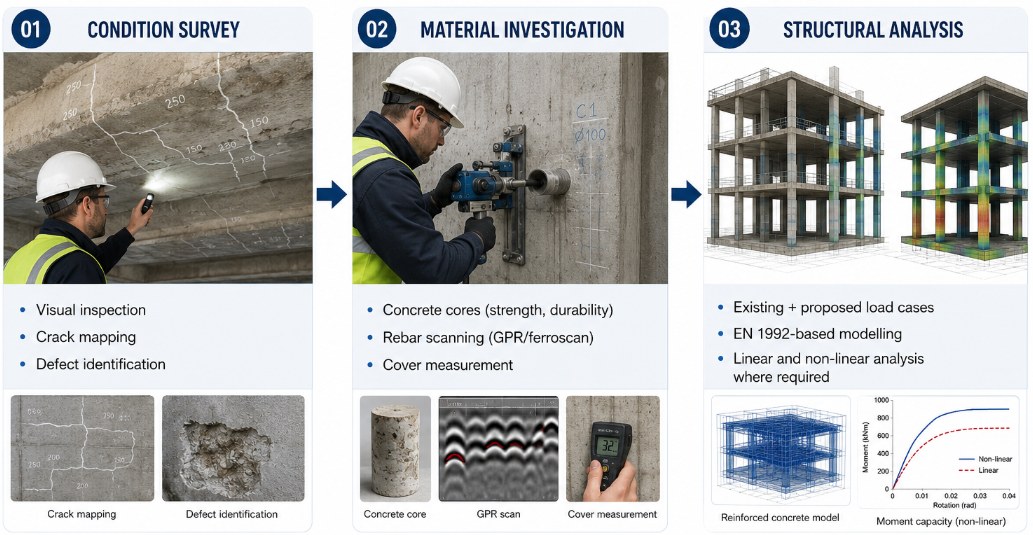
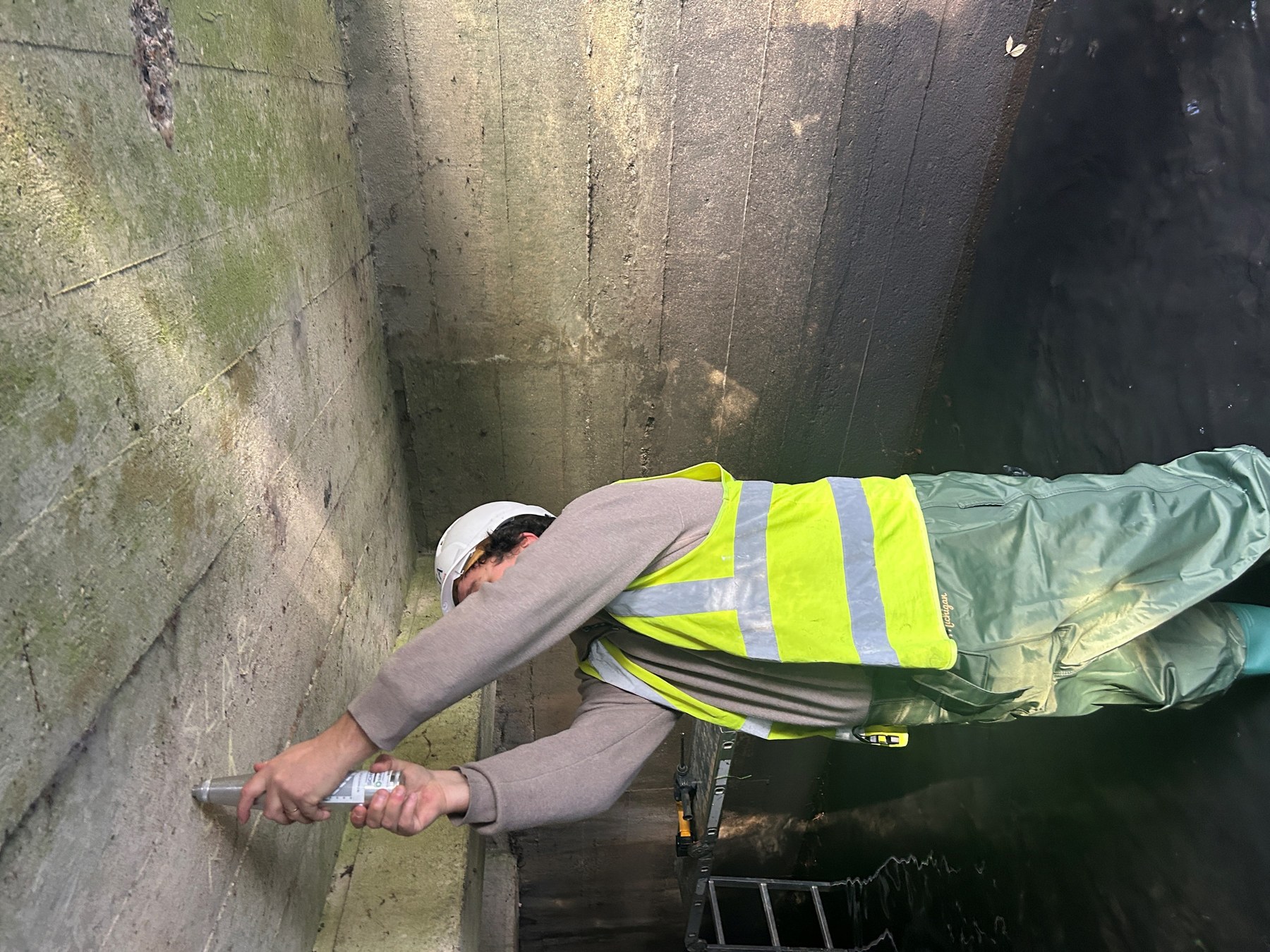
Material testing information included concrete core results and in-situ assessment techniques. The findings informed the assessment model and the specification of suitable concrete substrate preparation and bond testing before any CFRP installation.
Investigation of existing concrete
4. Structural Analysis and Engineering Assessment
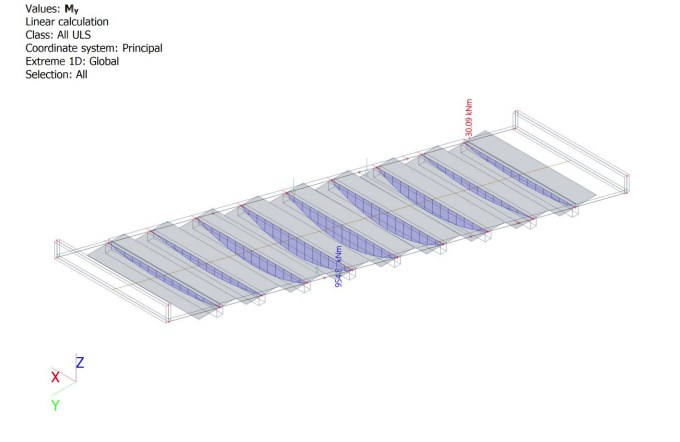
BDC used SCIA Engineer to assess the existing bridge structure and determine the response of its reinforced concrete beams to the governing loading combinations. The analysis considered bridge geometry, load distribution and ultimate limit state bending actions.
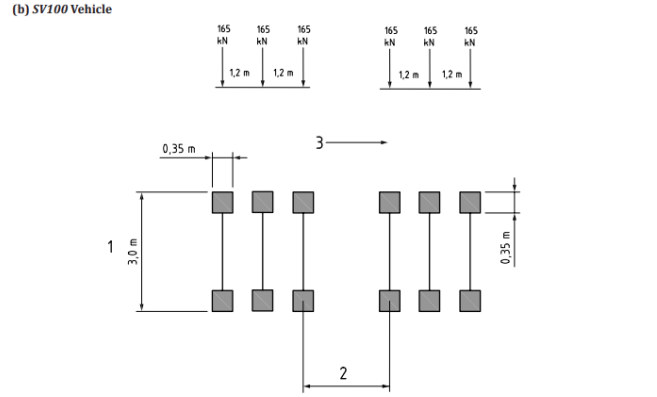
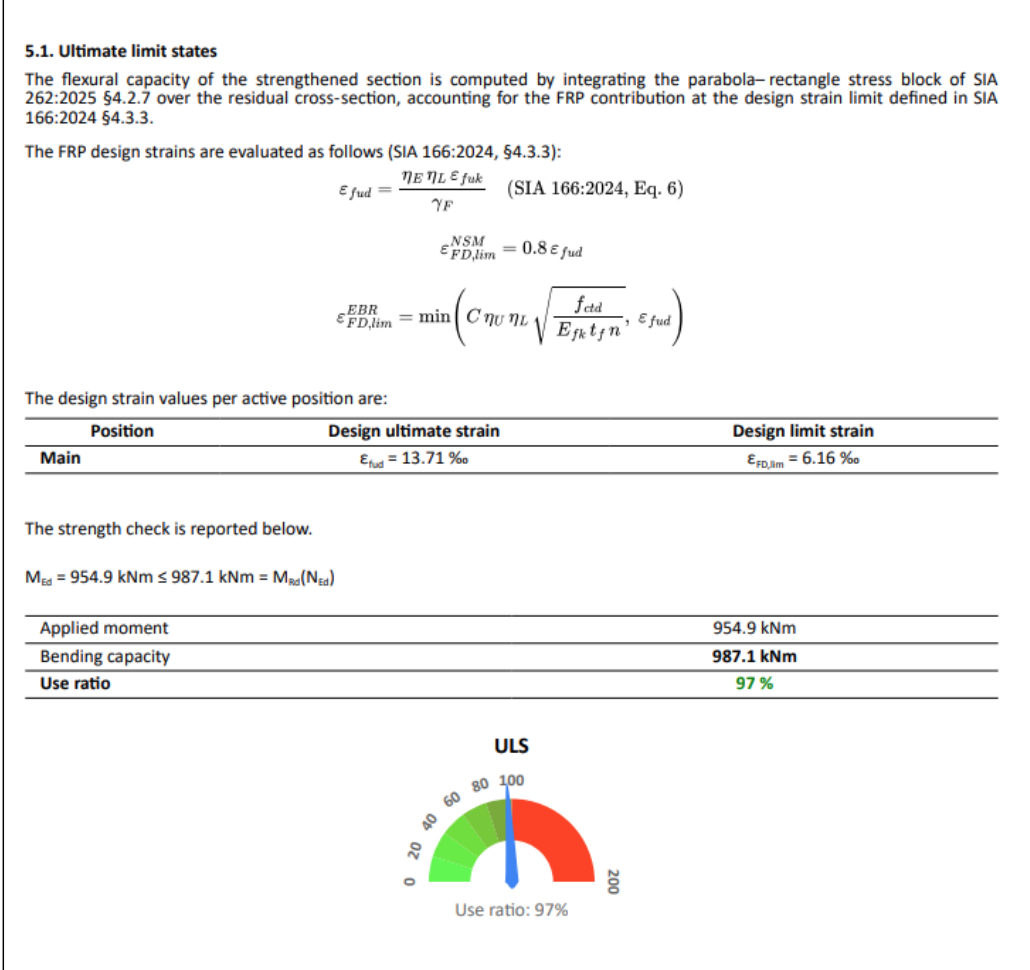
The subsequent Category II check independently reviewed the analysis and corrected the SV100 special vehicle configuration to align with the relevant UK National Annex requirements. The check recorded a governing design bending moment of 954.87 kNm against an existing beam resistance of 852.7 kNm, confirming a flexural strengthening requirement.
5. CFRP Strengthening Design
The proposed solution uses externally bonded Sika CarboDur S1012 carbon fibre reinforced polymer (CFRP) plates to increase the flexural resistance of the reinforced concrete beams. The construction drawings specify two plates per beam, each 100 mm wide and 1.2 mm thick, across 11 beams: 22 plates and approximately 170 m of CFRP in total.
Proposed strengthening layout
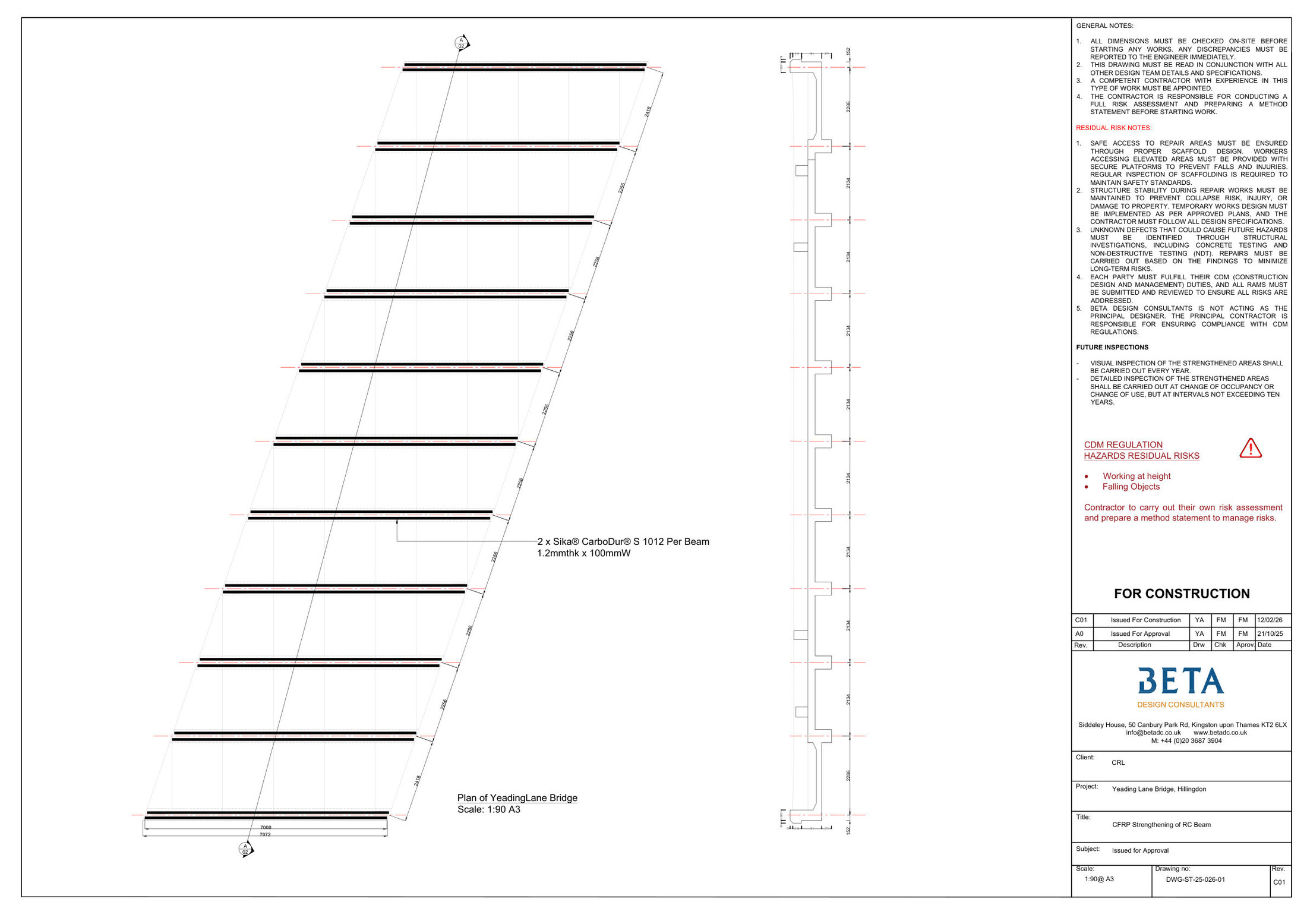
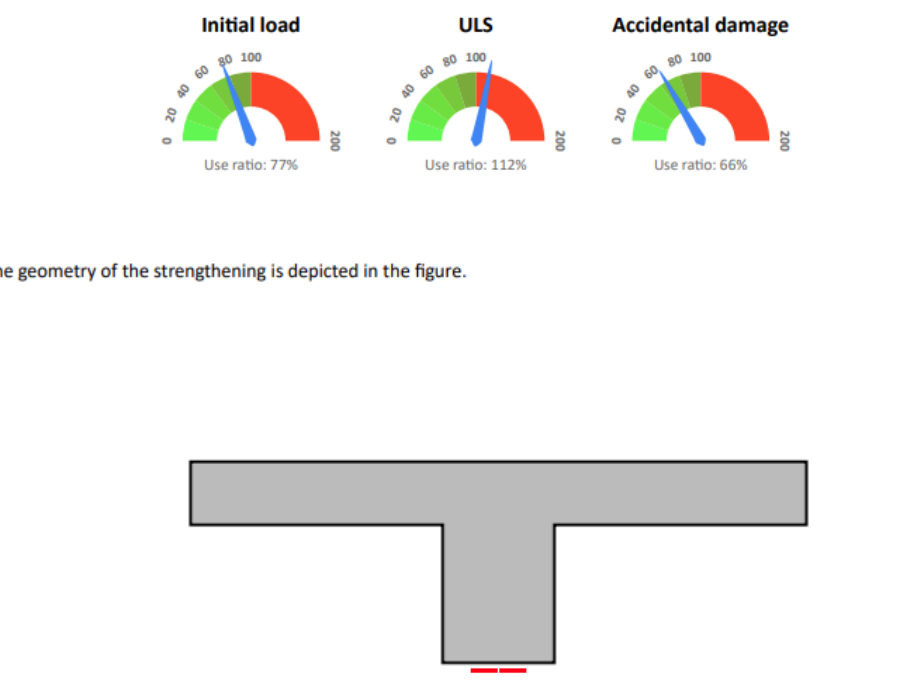
The design was developed through structural calculations and independently compared against Sika CarboDur software. The Category II check reported a strengthened bending resistance of 987.1 kNm against a design demand of 954.87 kNm, corresponding to approximately 97% utilisation. The proposed two-plate arrangement was retained following the checking review.
An earlier conceptual design explored a different, three-plate arrangement and different analysis values. Those preliminary results should not be presented as the final construction design.
6. Category II Check and Technical Approval
The independent Category II review included verification of structural loading, existing beam capacity and the proposed CFRP design. The check identified updates to the structural design calculations following revision of the special vehicle loading model, while confirming that the selected strengthening arrangement remained adequate.
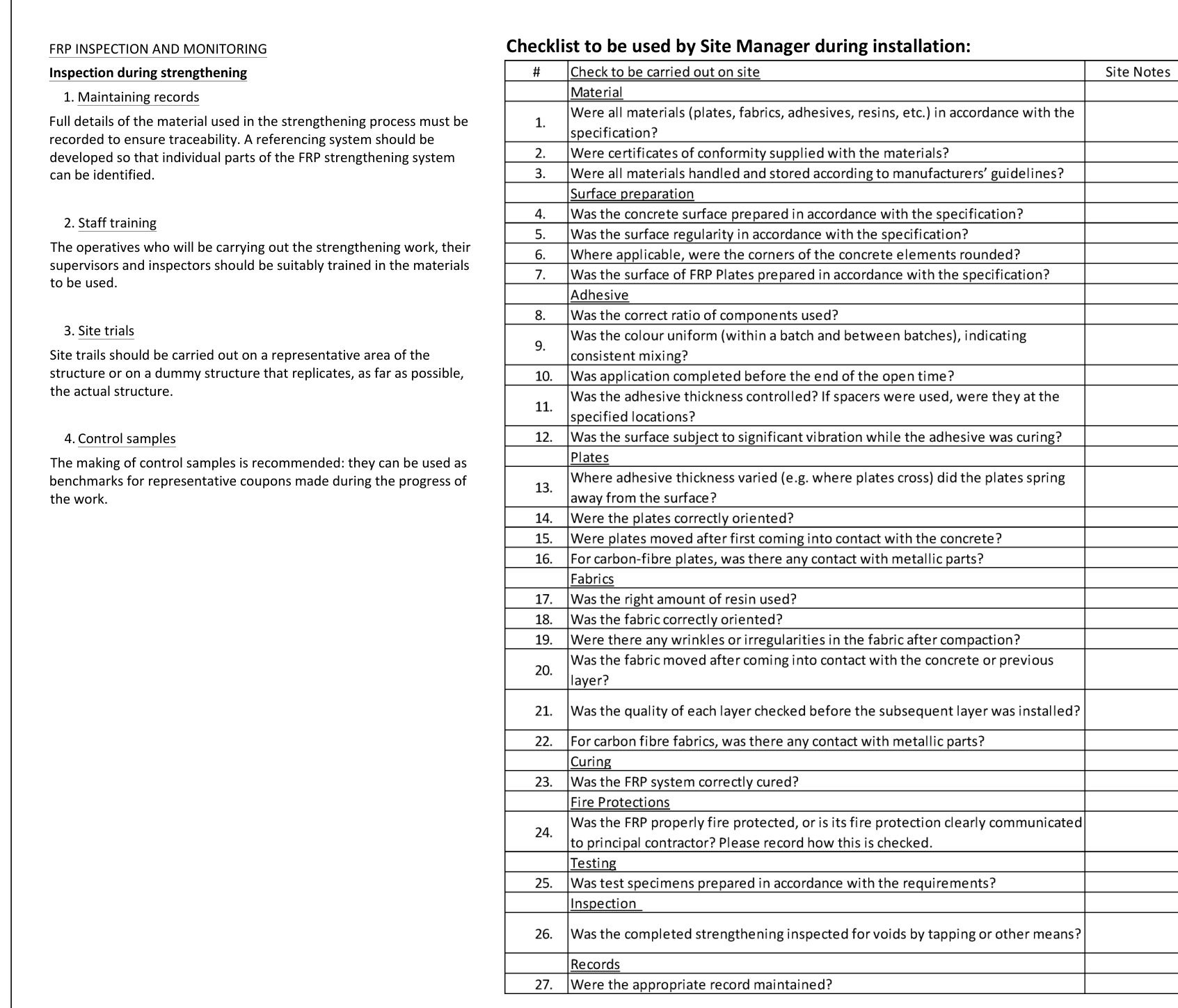
7. Installation Methodology and Quality Assurance
The issued construction drawings describe concrete repair and preparation, cleaning of the bonding surfaces, application of structural epoxy adhesive and installation of the CFRP plates to the beam soffits. Sikadur-30 or its temperature-appropriate variant is identified in the method statement.
CFRP strengthening sections and installation details
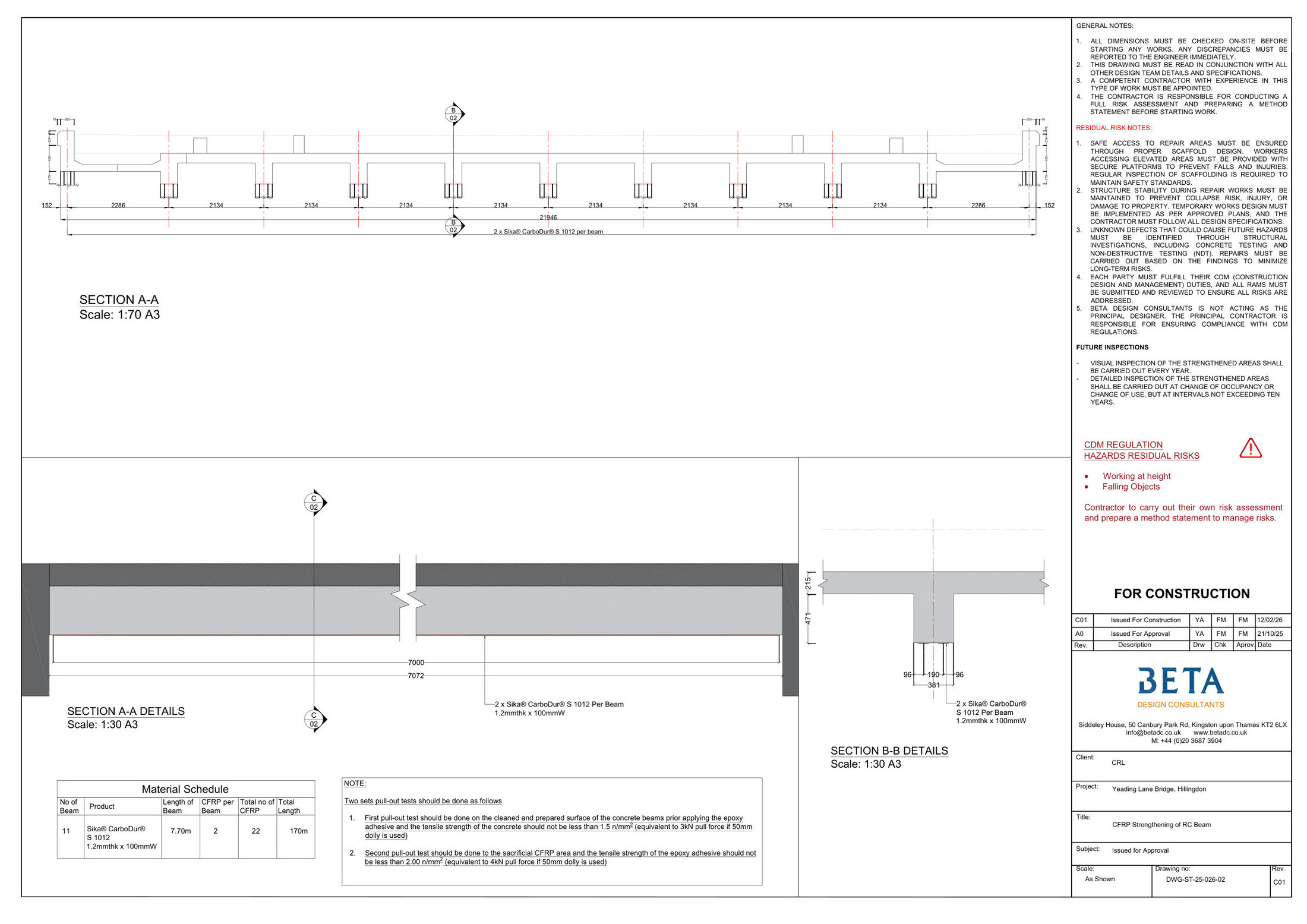
Quality-control provisions include pre-installation concrete pull-off testing, sacrificial CFRP bond testing, material traceability, trained operatives, installation records and checks during curing. The drawings identify minimum pull-off strengths of 1.5 N/mm⊃2; for prepared concrete and 2.0 N/mm⊃2; for the sacrificial bonded CFRP test area.
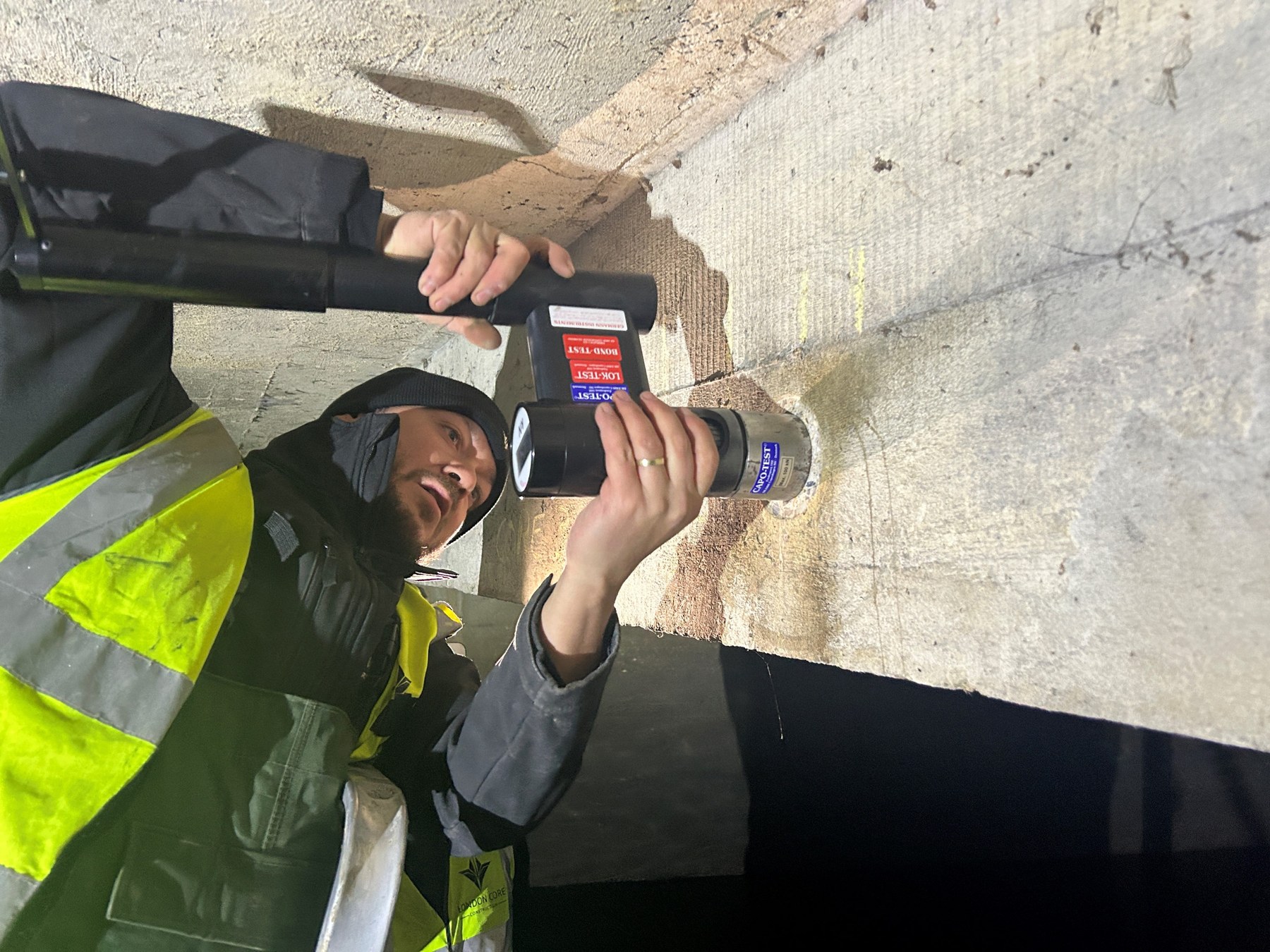
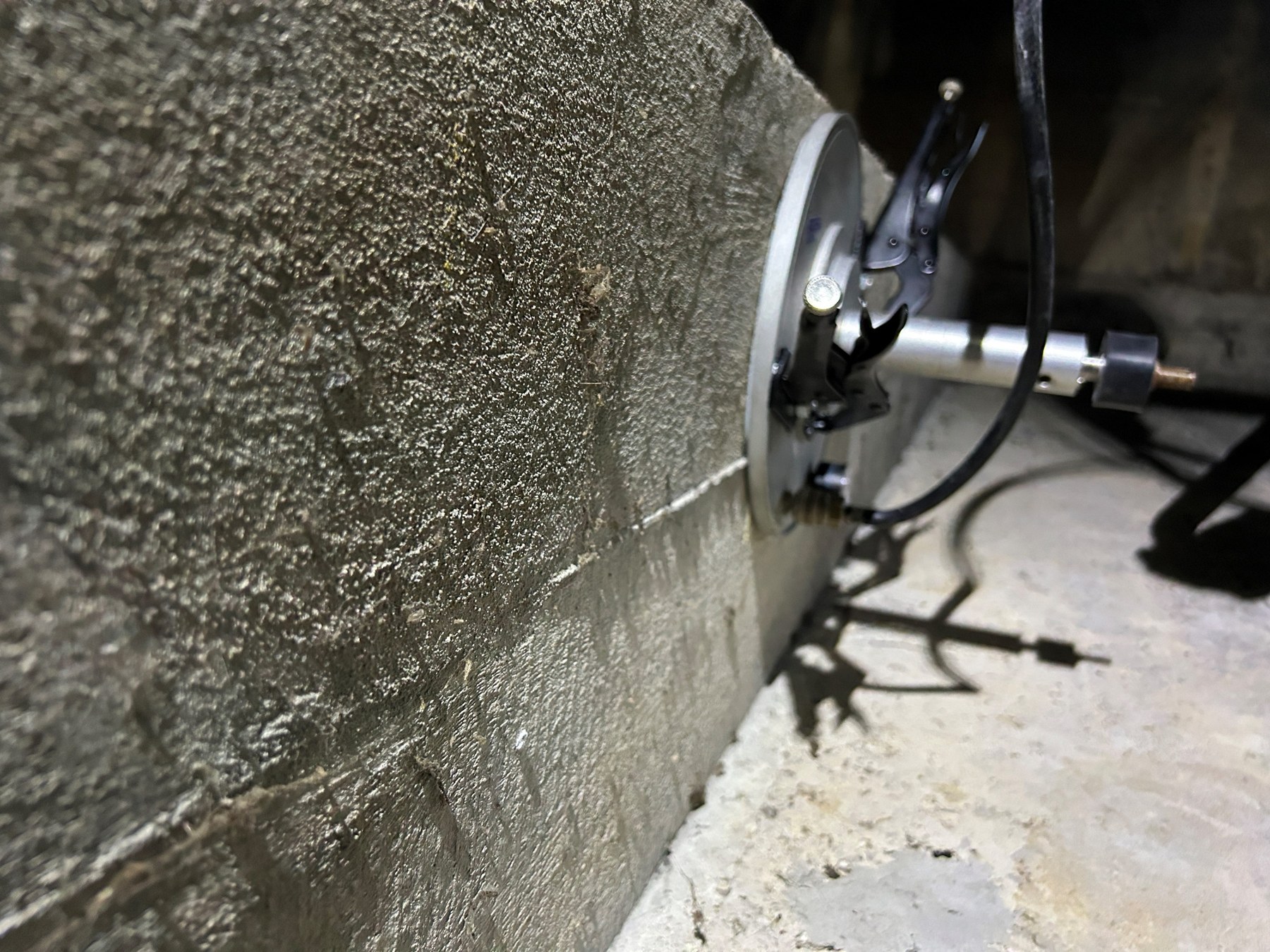
Concrete substrate condition and testing
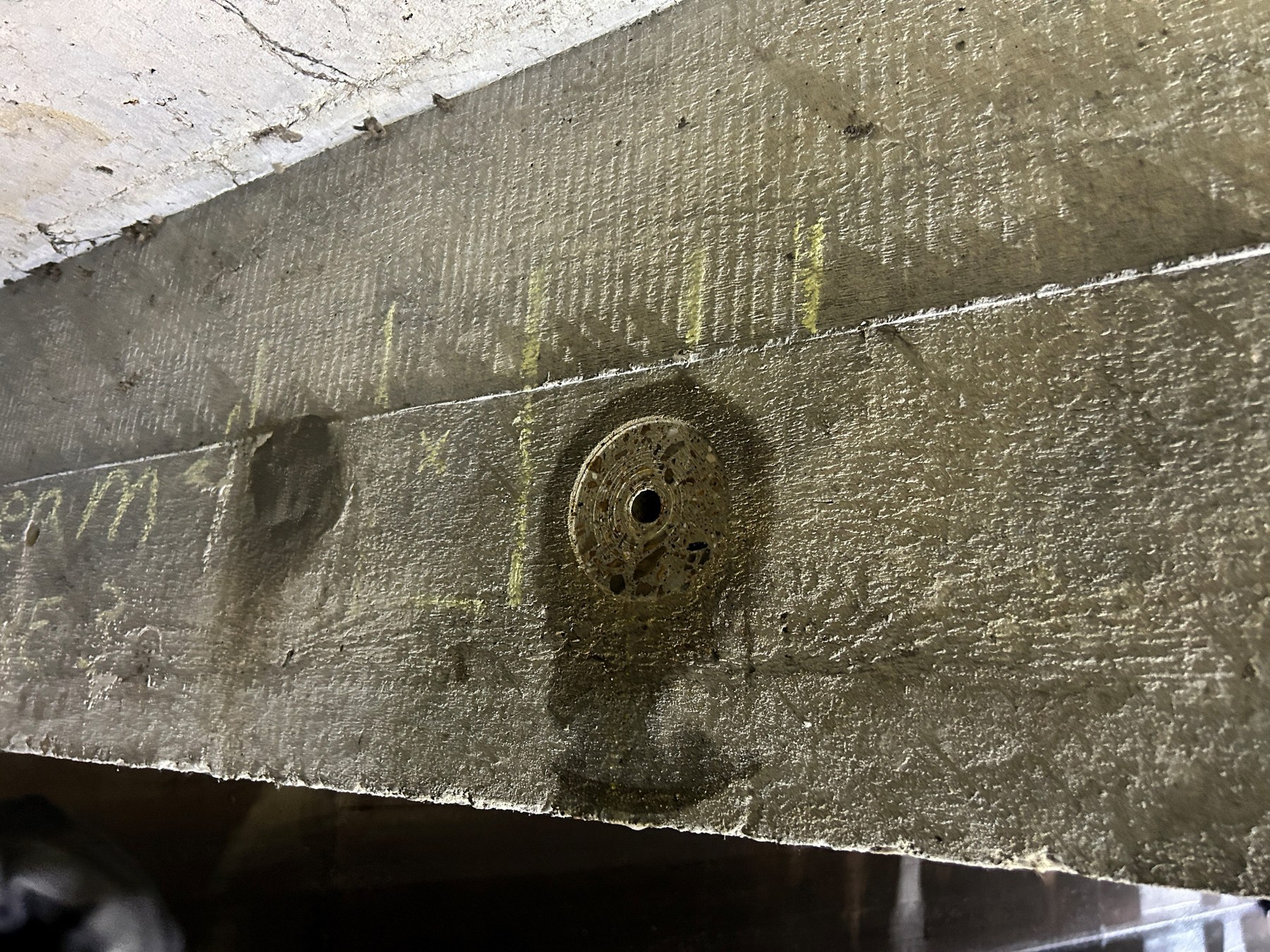
8. Long-Term Inspection and Maintenance
The inspection strategy provides for annual visual checks of the strengthened areas and more detailed inspections at relevant changes of use or occupancy, with intervals not exceeding ten years. Inspections are intended to identify cracking, delamination, damage to the composite and deterioration of the bond or surrounding concrete.
9. Project Outcome
The structural assessment of Yeading Lane Bridge identified the need for additional flexural strengthening to accommodate the governing highway loading requirements. Through detailed investigation, material testing and three-dimensional structural analysis, Beta Design Consultants developed a targeted strengthening solution using externally bonded Carbon Fibre Reinforced Polymer (CFRP) plates.
The proposed design incorporates two Sika CarboDur S1012 plates per reinforced concrete beam, providing an increase in bending resistance while introducing minimal additional weight to the existing structure. The strengthening arrangement was independently assessed through a Category II check, which confirmed that the proposed design satisfies the calculated bending demand.
By retaining the existing reinforced concrete bridge deck, the proposed solution offers an alternative to more extensive reconstruction, with the potential to reduce material consumption, construction disruption and intervention within the surrounding environment.
With the strengthening design and construction documentation prepared, the project provides a technically verified basis for the next stage of implementation. Installation and subsequent performance verification remain outstanding.
The project demonstrates how a combination of structural investigation, advanced engineering analysis and specialist strengthening techniques can support the continued use and long-term management of existing highway infrastructure.
10. Beta Design Consultants Capability
Beta Design Consultants provides specialist structural engineering services for the assessment, repair, rehabilitation and strengthening of existing structures and infrastructure.
The Yeading Lane Bridge project demonstrates BDC's ability to deliver an integrated engineering approach, from initial condition assessment and material investigation through to structural analysis, strengthening design, independent technical checking and construction documentation.
Using advanced structural analysis software, including SCIA Engineer, alongside in-house design calculations and specialist CFRP design tools, BDC develops practical engineering solutions tailored to the structural condition, operational requirements and constraints of each project.
The project also highlights BDC's experience in applying innovative strengthening technologies to existing reinforced concrete structures, balancing structural performance with constructability, durability and long-term maintenance considerations.
Through collaboration with project stakeholders, specialist contractors and technical approval teams, Beta Design Consultants aims to deliver efficient, technically robust and sustainable solutions that enhance the performance and service life of existing infrastructure.
Related projects
BP GF Gas Plant Asset Integrity and Refurbishment
Read More
Bus Depot Electrification Harrow
Read More
Stage 50 Wycombe Film Studios Village
Read More
Stage 50 Bovingdon Airfield Studios
Read More
Concept Design of Cité Administrative Koloma
Read More
Structural Assessment of Henley Masonry Arch Bridge
Read More
Peckham Arch Condition Survey & Life Extension Consulting Services
Read More
Pembroke Road Footbridge - Structural Investigation & Strengthening
Read More
Concept Design of Sedhiou Bridge and Roads Network
Read More
Wycombe Air Park- Data Centre
Read More
Nant Melyn Bridge Inspection for Assessment
Read More
Clee Hill NATS Radar Tower
Read More
Burrington NATS Radar Tower
Read More
Hartlepool Solar Farm
Read More
Action Court Warehouse Extension
Read More
Leisure Swimming Pool House Design
Read More
Planning Application for Three Story Residential Building
Read More
Value Engineering for Warehouse and Office Building
Read More
Polybags Ltd Warehouse Extension in Lyon Way
Read More
One West Point – Design of Support System for Cladding
Read More
Structural Design of 3 Storey Building
Read More
Queens Rise- Steel Structure Connection Design and Detailing
Read More
Coast Drive Visitor Centre, Watersport and Beach Huts
Read More
Northside Garages Structural Investigation
Read More
RAAC Investigation and Structural Strengthening
Read More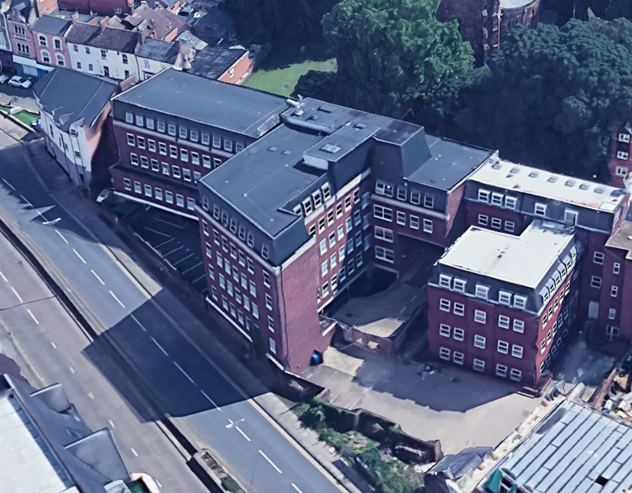
Spire Academy (Horizon Academy) Car Park Refurbishment
Read More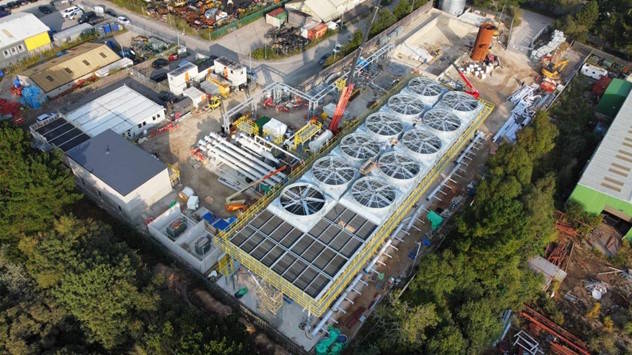
United Downs Deep Geothermal Power Plant
Read More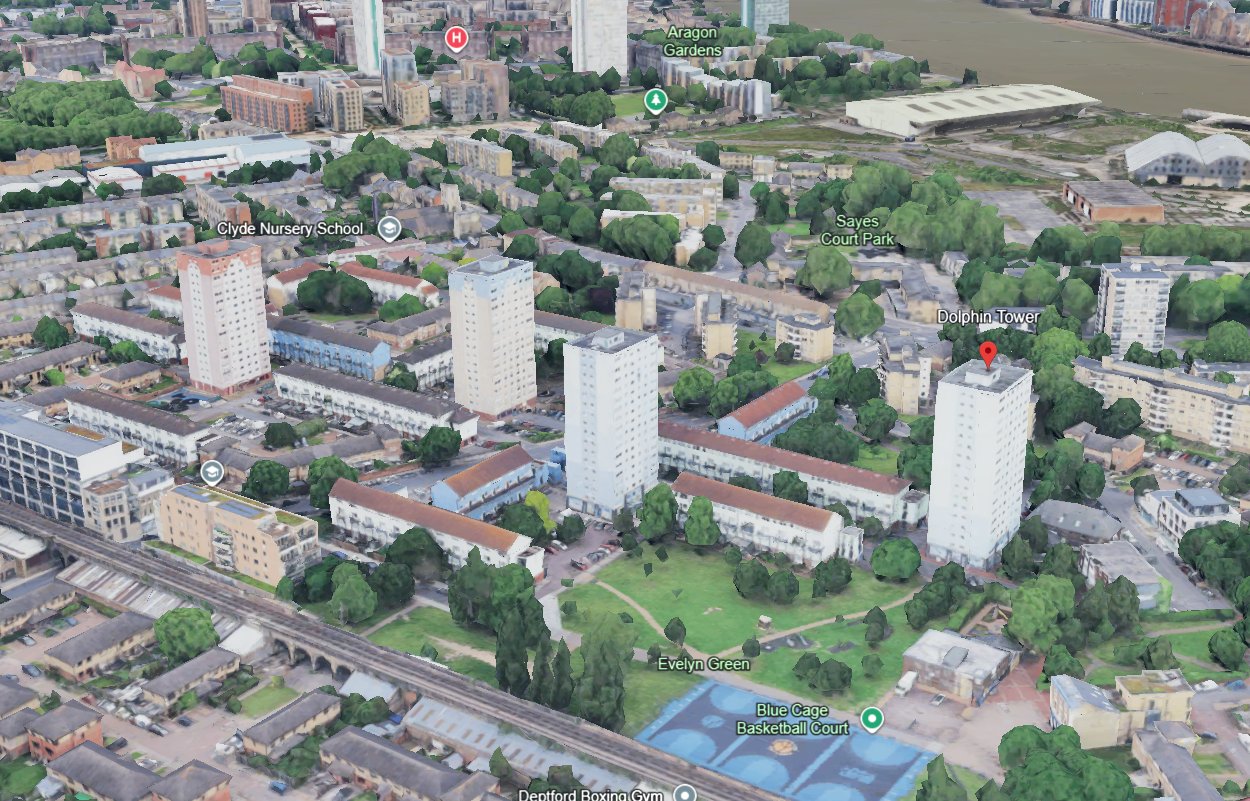
Sprinkler Tank Base Design within Existing High-Rise Residential Towers
Read More
Brentford Waterfront Block B and C Temporary Works Design
Read More
Brentford Waterfront Block K Temporary Works Design
Read More
CFRP and HPC Concrete Strengthening for Brindleyplace
Read More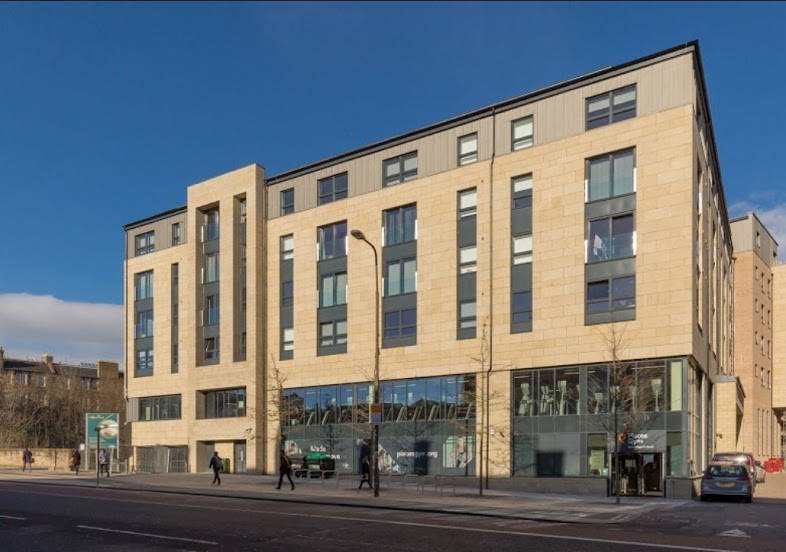
Engine Yard Punching Shear Slab Strengthening
Read More
CPS House Jacketing to Strengthen RC Beams
Read More
BP Deep Water Sump Assessment and Concrete Repair Design
Read More
BP Heater Foundation Concrete Repair
Read More
BP GF Gas Plant – Slug Catcher Foundation Walls RC Repair
Read More
Fulham Palace Road Temporary Works Design
Read More
Harwell Campus-Concrete Strengthening
Read More
Helmsley Place-Steel Connections Design and Detailing
Read More
Planning Permission for New Warehouse, Ealing
Read More
Kennedy Institute Extension - Flat Slab Punching Shear Strengthening
Read More
Planning Permission for a Basement in a Conservation Area
Read More
Orchard House – RC Column Strengthening using CFRP
Read More
St Peter’s Hospital Staff Accommodation, Piled Rafts Design
Read More
Grove Park Gardens 4 Storey Residential Development
Read More
LABSA Sulphonation Plant Erbil
Read More