Beta Design Consultants team of civil structural engineers supports clients during the design, inspection, assessment and repair/strengthening of bridges.
Our portfolio of successfully completed projects includes:
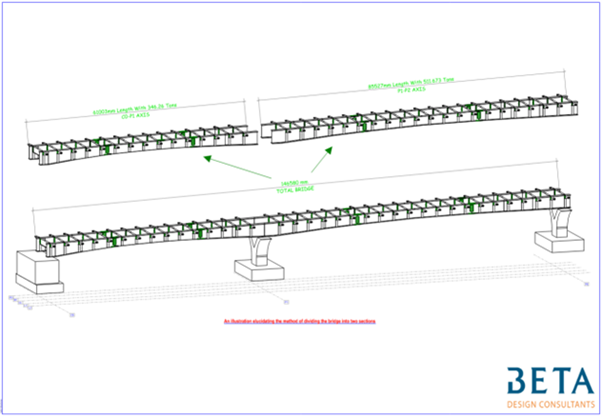
- The Concept Design of Sedhiou Bridge and Road Network. This entailed the design of a major bridge of 30 spans of an average 80m span designed as a composite deck on plate girders with piers supported on bored piles.
- The structural assessment of the historic Henley on Thames Stone Bridge – a 5 span masonry arch bridge over the River Thames – we assessed the bridge for the latest HA/HB loading required by the UK National Highways.
- The principal inspection, structural assessment and strengthening design of Pembroke Road Footbridge – a steel truss footbridge spanning 40m to link two sides of RBKC estate over a busy road.
- The principal inspection of 50 no bridges in Wakefield, England. This includes viaducts, masonry arches and culverts.
- The principal inspection, repair design and temporary works design for Mount View Road Masonry Arch Bridge – a skewed bridge in the London Borough of Islington that is strengthened using tie-backs, crack stitching and an overdeck.
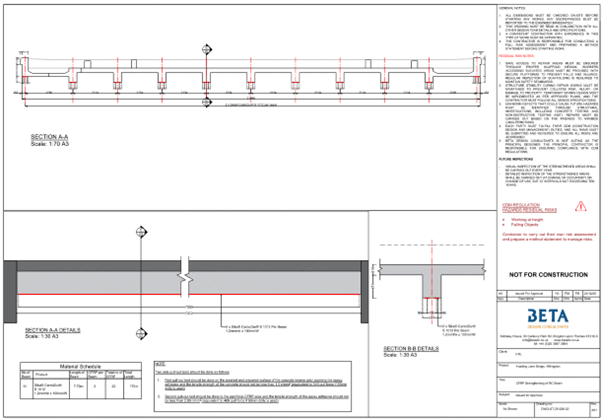
- The principal inspection, structural investigation and strengthening design for Yeading Lane Bridge – a reinforced concrete bridge made of 9 no beams strengthened using CFRP.
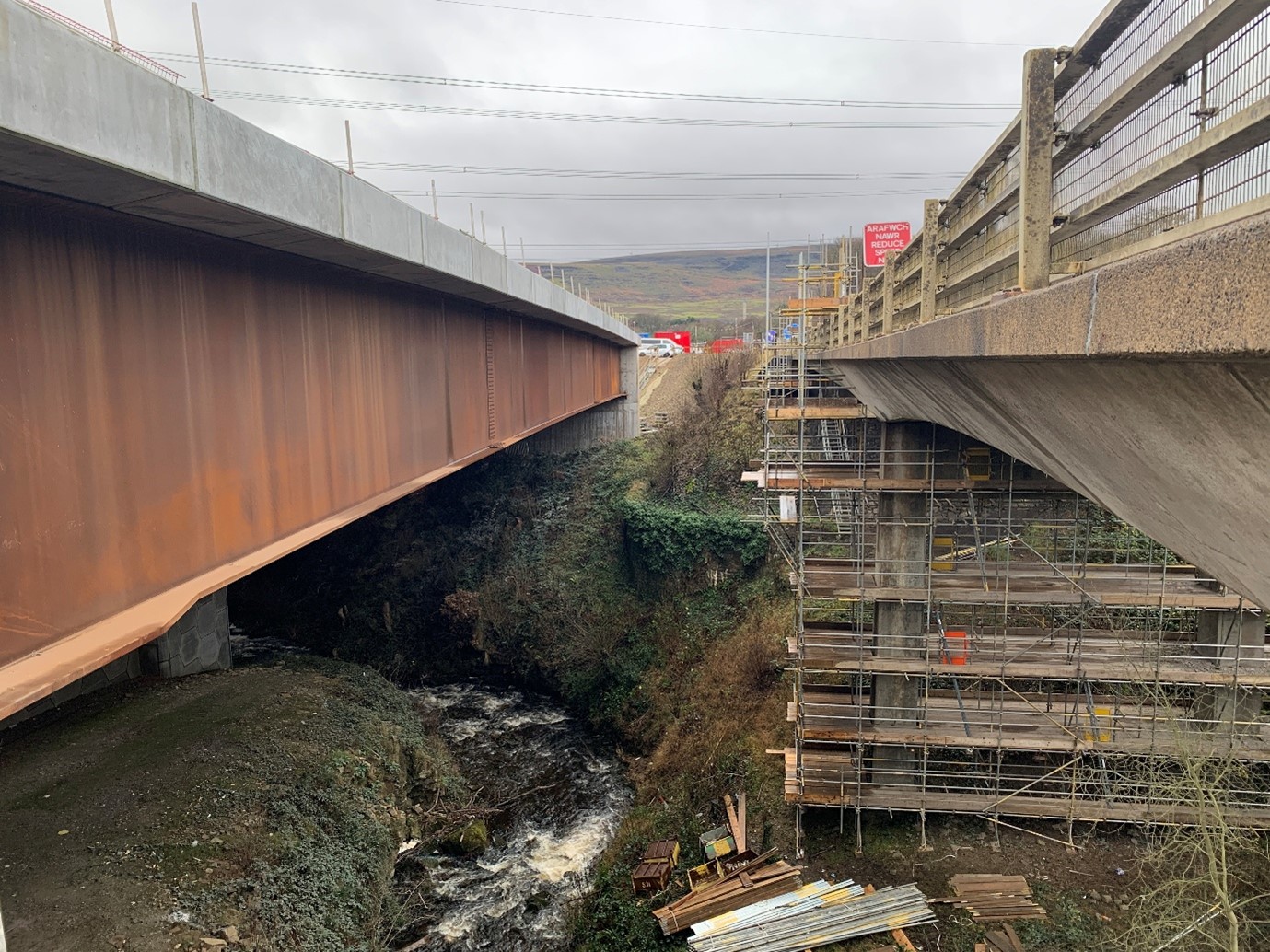
- Inspections for assessment carried out for the A465 Heads of the Valley Bridges.
Design – From Concept to Construction
Our multi-disciplinary team of Civil Structural and Geotechnical Engineers carry out work together with client teams, stakeholder and engage with specialist bridge construction contractors to move projects from early concept studies to definition of design allowing better certainty of budget and programme.
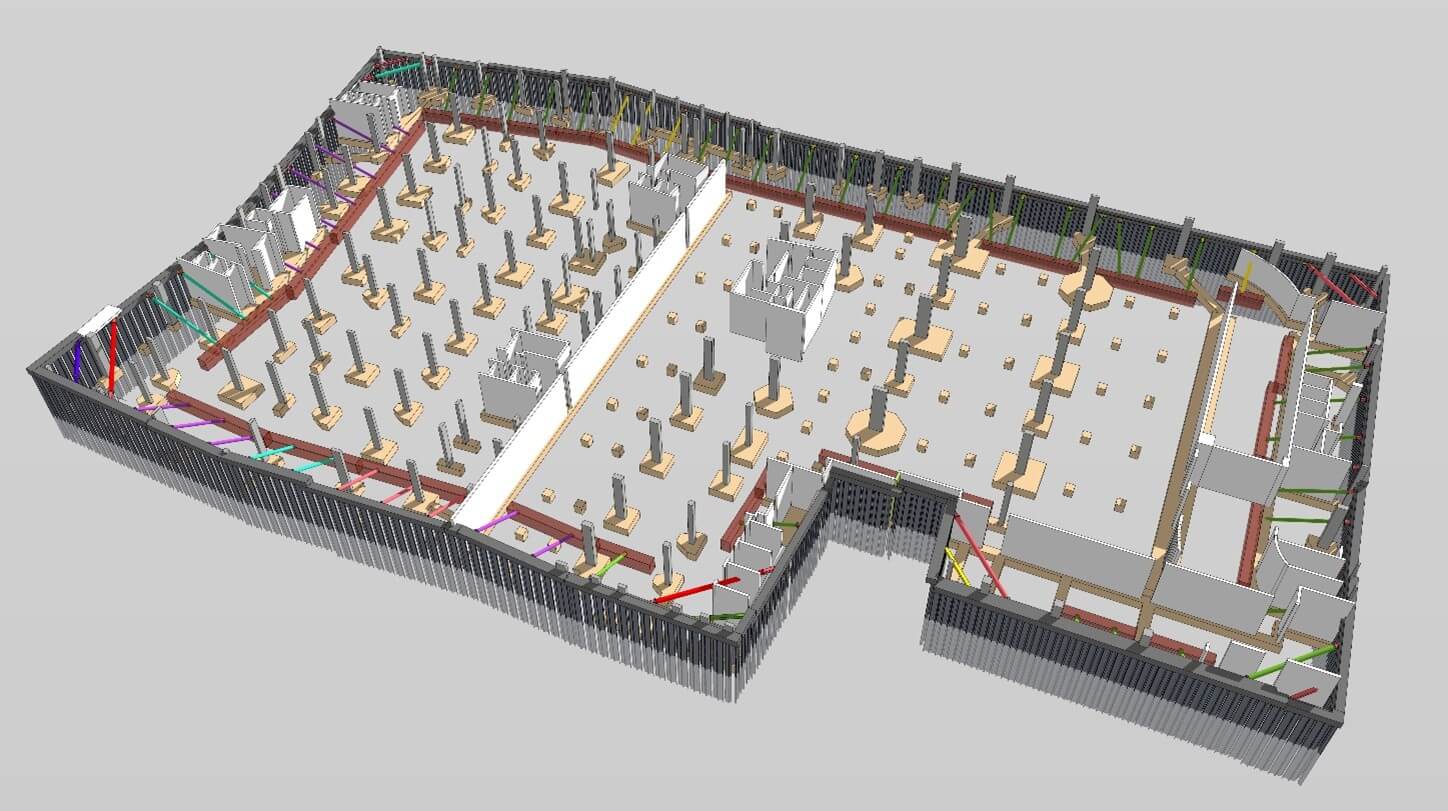
- Undertake detailed design of structural elements (deck, piers, abutments, foundations, bearings, expansion joints) using appropriate design codes.
- Produce calculations, engineering drawings and specifications that demonstrate compliance with structural, durability and safety criteria in accordance with regulatory requirements (e.g. Highways Agency) and Structural Euro-Codes.
- Apply structural analysis techniques and software (finite element modelling, dynamic analysis, stability checks) as needed. We currently utilize software programs like Lusas, SCIA Engineer, Idea Statica and Tekla Structures.
- Ensure design coordinate with all disciplines (geotechnical, drainage, services, traffic, environmental).
- Produce contract documents (specifications, bills of quantities, technical reports) for procurement and construction
Bridge Inspection and Structural Assessment
Our Structural engineers participate in or lead bridge inspection regimes. Our inspections are carried out using the following guidelines to ensure bridges are safe for use and fit for purpose.
- National Highways Standard CS 450 for the Inspection of Highway Bridges.
- National Highways Standard CS 454 Assessment of Highway Bridges and Structures.
- Bridge Inspection stock condition reporting using the CSS Bridge Condition Indicators.
- The Inspection Manual for Highway Structures.
- Well Managed Highway Infrastructure – A Code of Practice.
- The ICE Guide – Bridge Management Handbook.
- The Concrete Bridges Development Group – Technical Guide No 9 – Guidance on the Assessment of Concrete Bridges
We carry out the following inspections:
- General Inspections – routine checks on condition. Most local authorities and bridge asset owners rely on specialist bridge inspectors who have the expertise and training to organise these inspections which are usually carried out from ground level without special access or traffic management. These are typically carried out every two years or as/when instructed by the client.
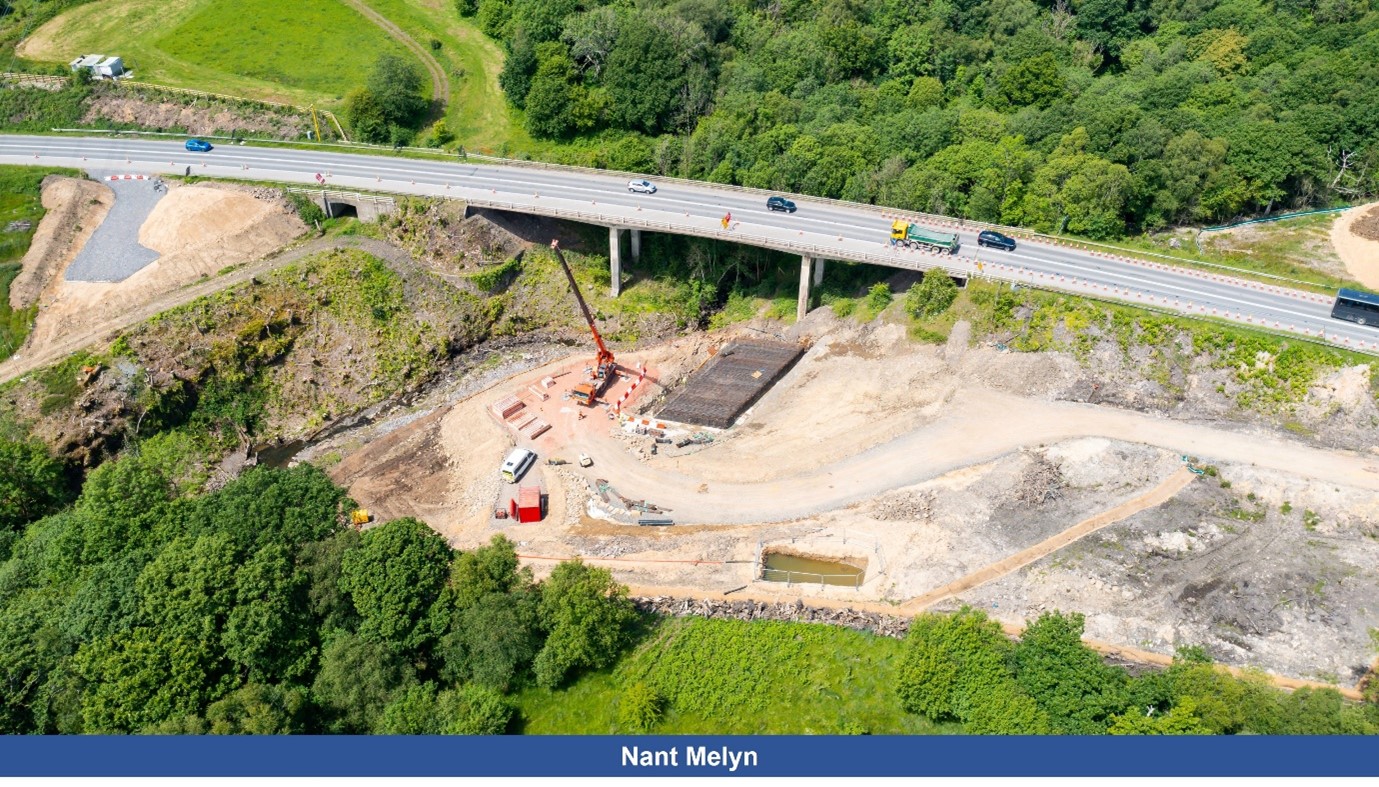
- Principal Inspections – detailed evaluation at defined intervals (often every six years in the UK) to capture condition and structural issues. We currently provide this service to Wakefield City Council as well as few Maintenance Term Contractors who are responsible for delivering this service on behalf of local authorities. We are currently supporting ASGC UK, Balfour Beatty, Balvac, Buckingham Group, FCC, Marlborough Highways, Project Centre, Railscape and VolkerLaser.
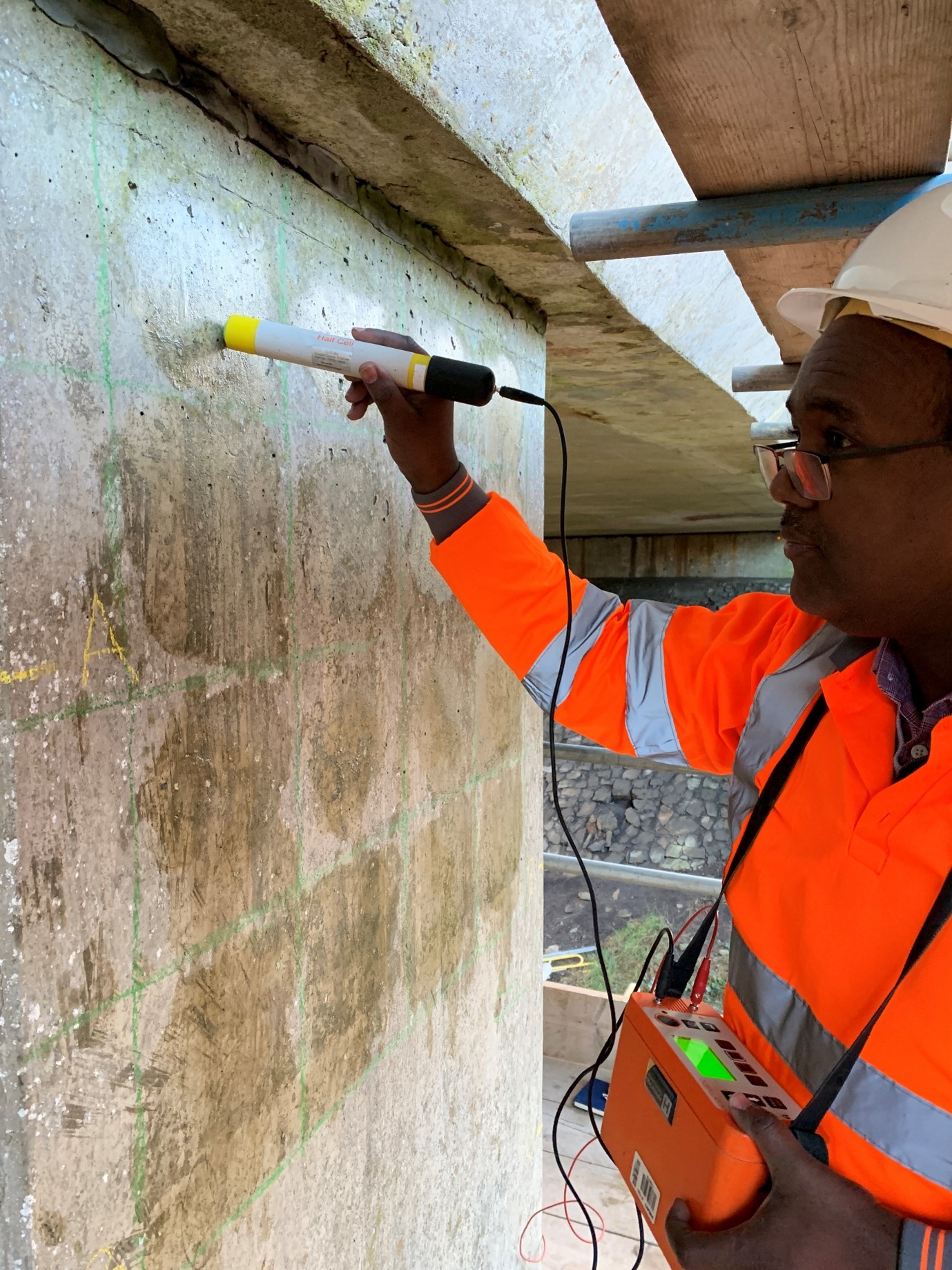
typically require special access such as scaffolding, bridge inspection unit, MEWP or other access provisions.
- Inspection for Assessment – targeted surveys where the structural condition is uncertain or where strengthening may be needed. Towards this end, we provide clients with the following structural investigations and inspections:
- GPR and ferro-scanning to identify the sizes of structural elements and the reinforcement layout.
- Compressive strength testing such as extracting cores, CAPO tests to calibrate cores, Schmidt Hammer testing to compare and pull-off testing to identify tensile strength.
- Corrosion assessment via chloride ion content testing, carbonation testing, half-cell potential mapping and resistivity testing.
- For steel structures and bridges, ultrasonic testing to confirm thickness and Dry Film Thickness DFT readings for coating assessment.
- For timber structures and bridges, assessment of dry/wet rot and in-grade assessment of timber elements.
Hillingdon Council – our team is trained in confined space access and work in/near water
Our team carries out all the planning, resourcing, logistics preparation, traffic management and the follow up reporting and assessments.
- We conduct site inspections of bridges and associated structures (deck, bearings, substructure, drainage, parapets) with appropriate access arrangements and safety measures.
- We identify and document defects such as corrosion, cracking, spalling, joint failures, scour or fatigue issues.
- We evaluate inspection data to assess structural capacity and performance against current design criteria and serviceability standards.
- We produce technical reports summarising condition, risks, observed deterioration, and recommendations for maintenance, repair or strengthening.
- Our inspectors and supervising engineers are appropriately qualified (e.g., Chartered structural or civil engineers) with experience in structural inspection and assessment.
- Our inspectors record and assess risk and maintenance needs in line with asset management systems and risk-based inspection intervals.
- Our structural engineers specify and use advanced tools (laser scanning, drones, NDT methods, float surveys) to support inspections and condition assessment.
Strengthening and Remediation
- Based on inspection and assessment findings, our structural engineers determine whether a bridge requires intervention due to reduced capacity, increased loads, or deterioration.
- We evaluate multiple technical options for strengthening or repair and prepare feasibility and cost analysis.
- We consider intervention types such as additional reinforcement, carbon fibre reinforcement polymers (CFRP), using high performance concrete HPC overlays, section enlargement (jacketing), steel plating, external post-tensioning, member replacement or the use of UHM CFRP for cast iron/metallic structures.
- We undertake structural analysis to confirm that the chosen solution restores required capacity with adequate safety margins.
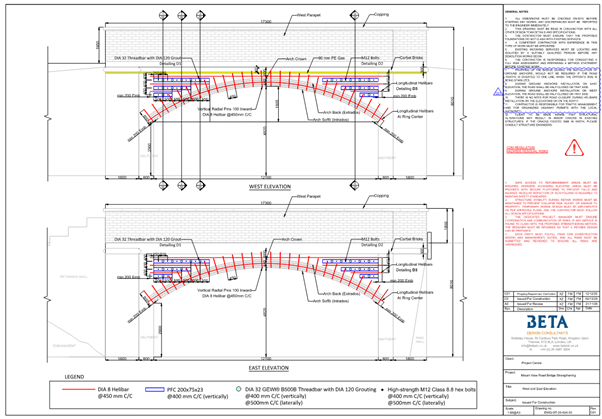
- We develop detailed drawings and specifications for strengthening works, ensuring integration with existing structure and minimising disruption to users.
- We provide technical support during implementation, including reviewing contractor proposals, responding to site queries, and inspecting completed works to confirm compliance with the design.
Related projects
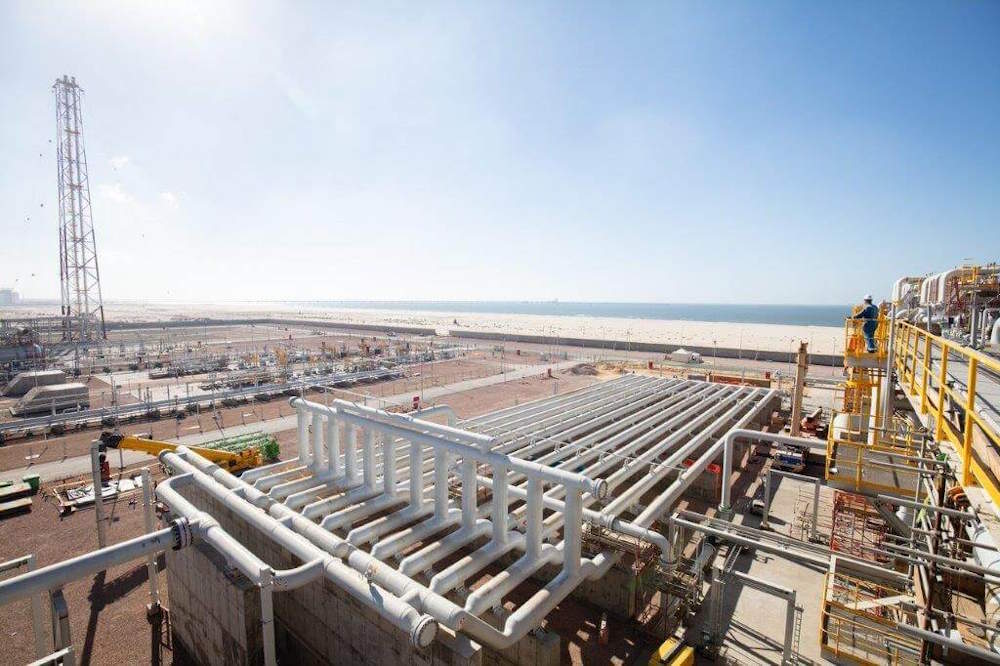
BP GF Gas Plant Asset Integrity and Refurbishment
Read More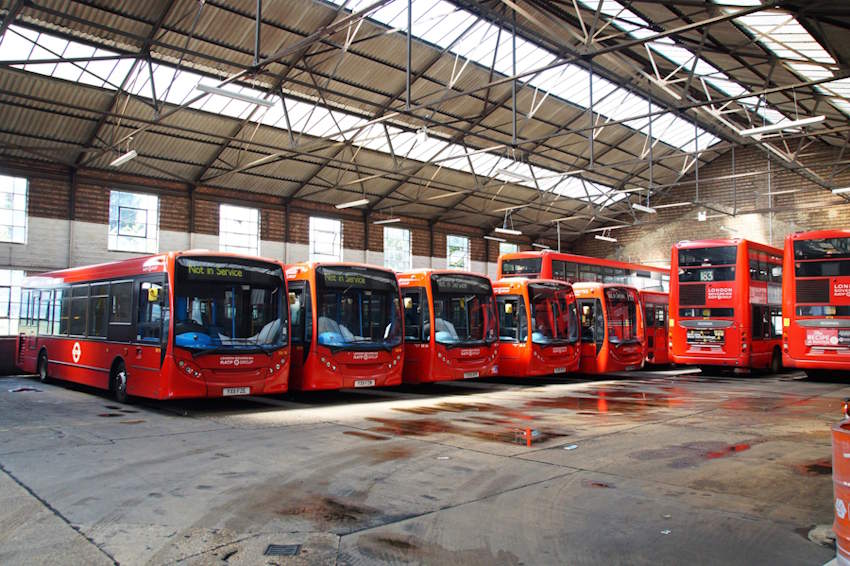
Bus Depot Electrification Harrow
Read More
Concept Design of Cité Administrative Koloma
Read More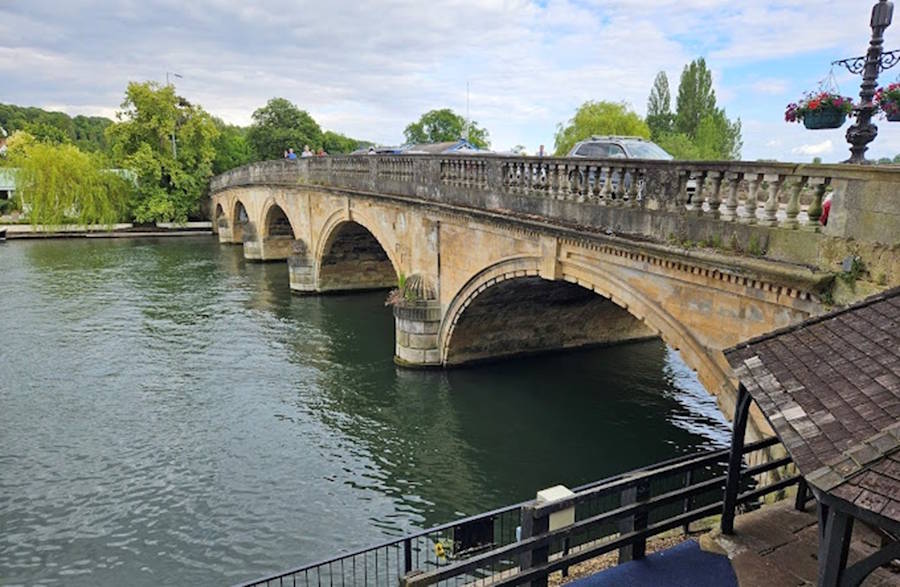
Structural Assessment of Henley Masonry Arch Bridge
Read More
Peckham Arch Condition Survey & Life Extension Consulting Services
Read More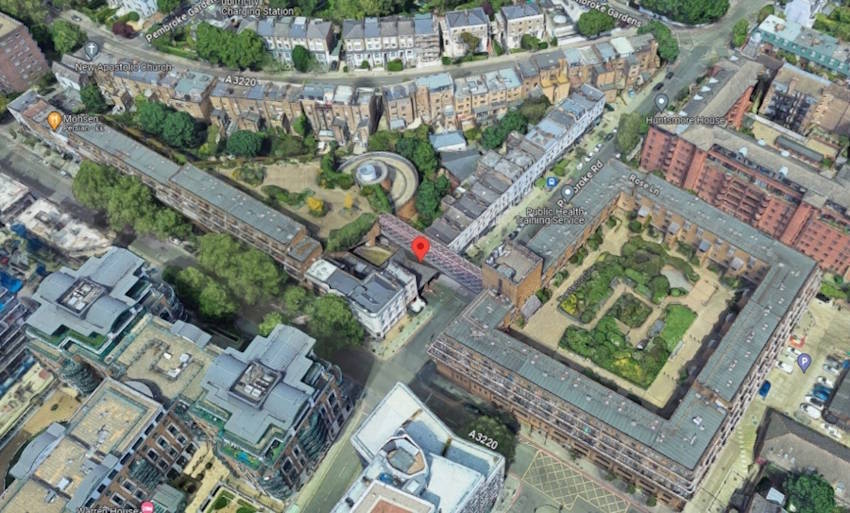
Pembroke Road Footbridge - Structural Investigation & Strengthening
Read More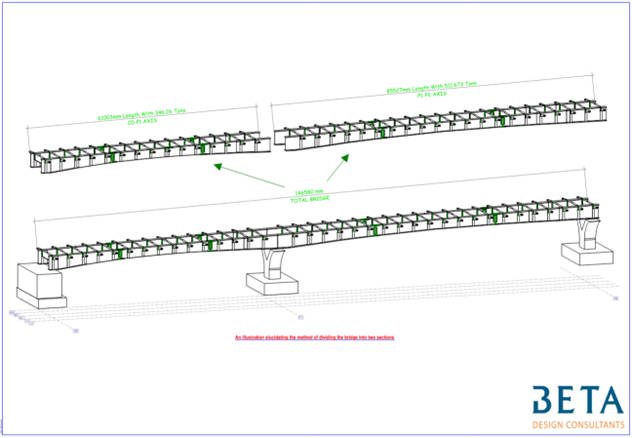
Concept Design of Sedhiou Bridge and Roads Network
Read More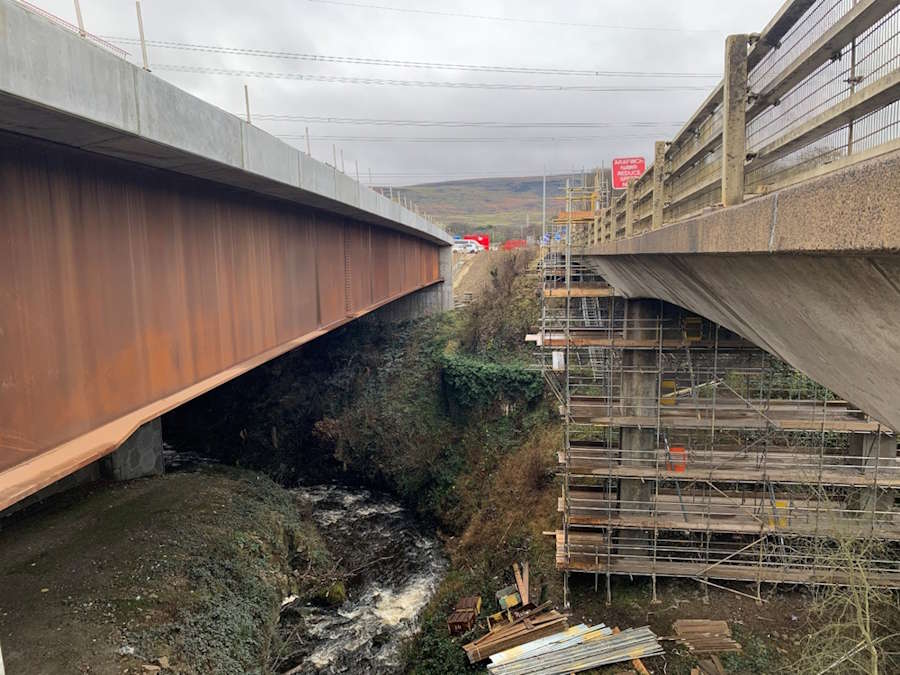
Nant Melyn Bridge Inspection for Assessment
Read More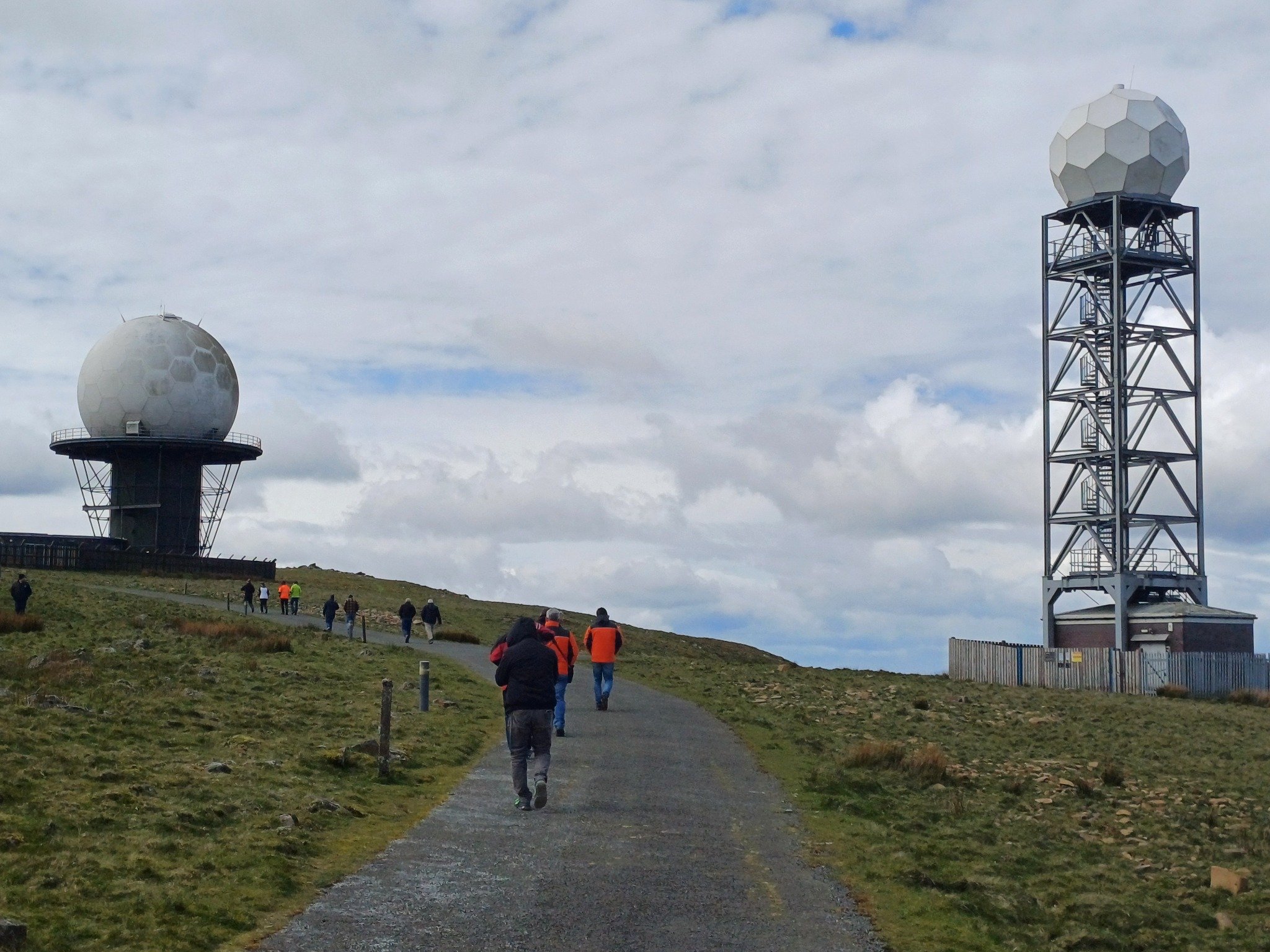
Clee Hill NATS Radar Tower
Read More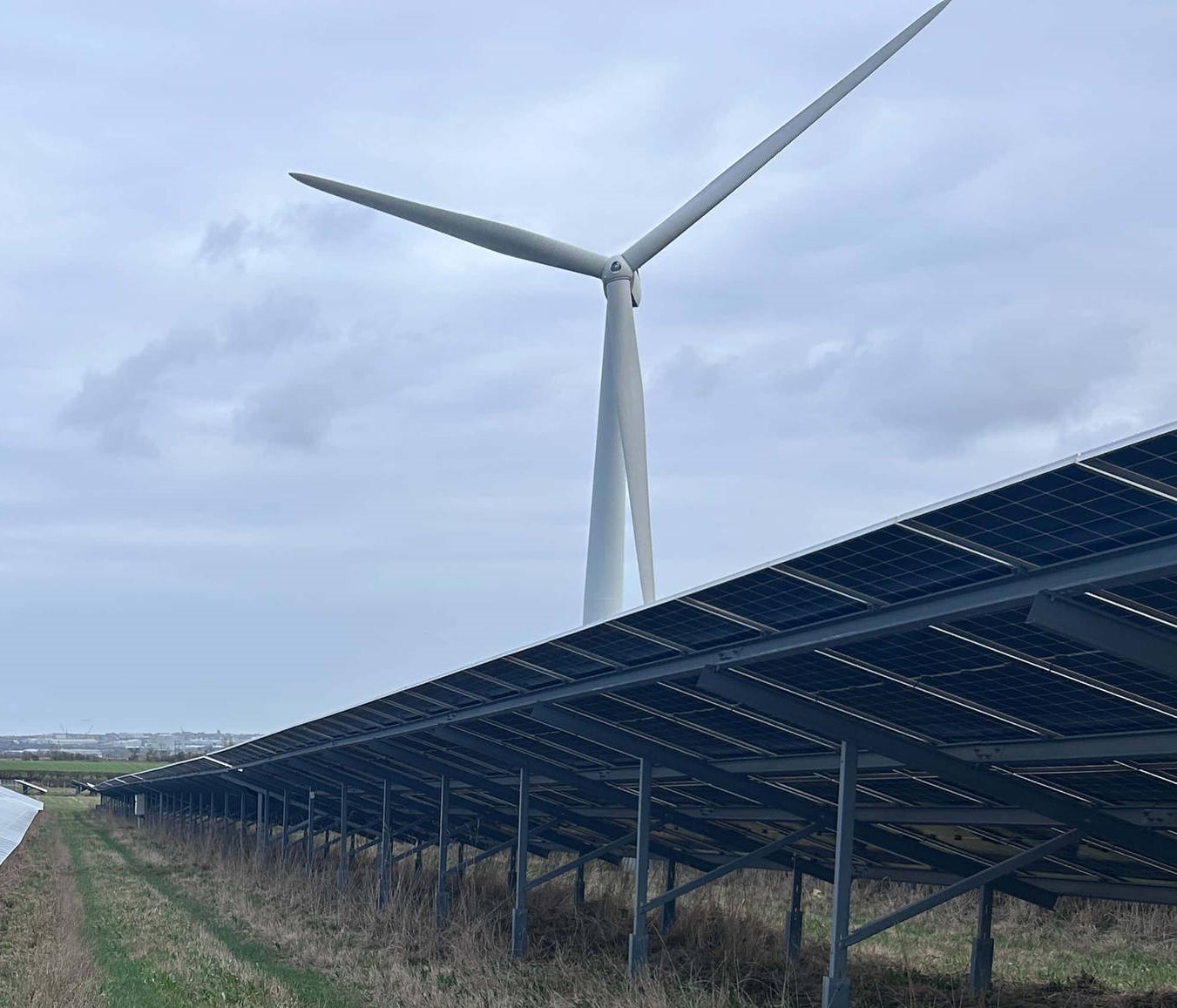
Hartlepool Solar Farm
Read More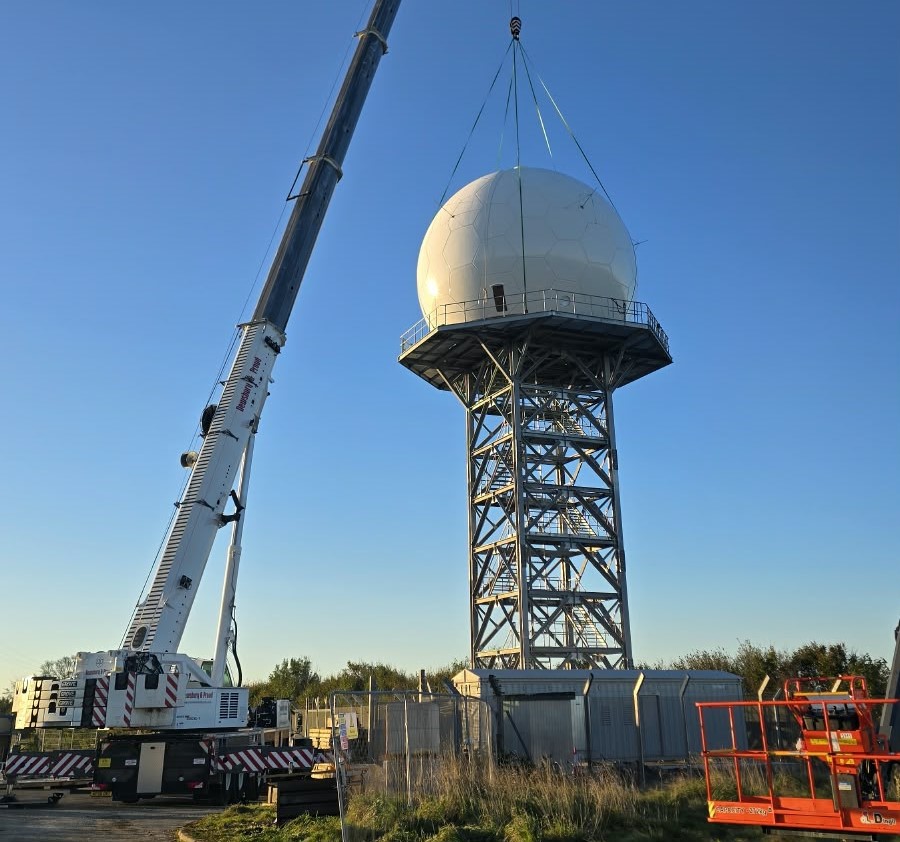
Burrington NATS Radar Tower
Read More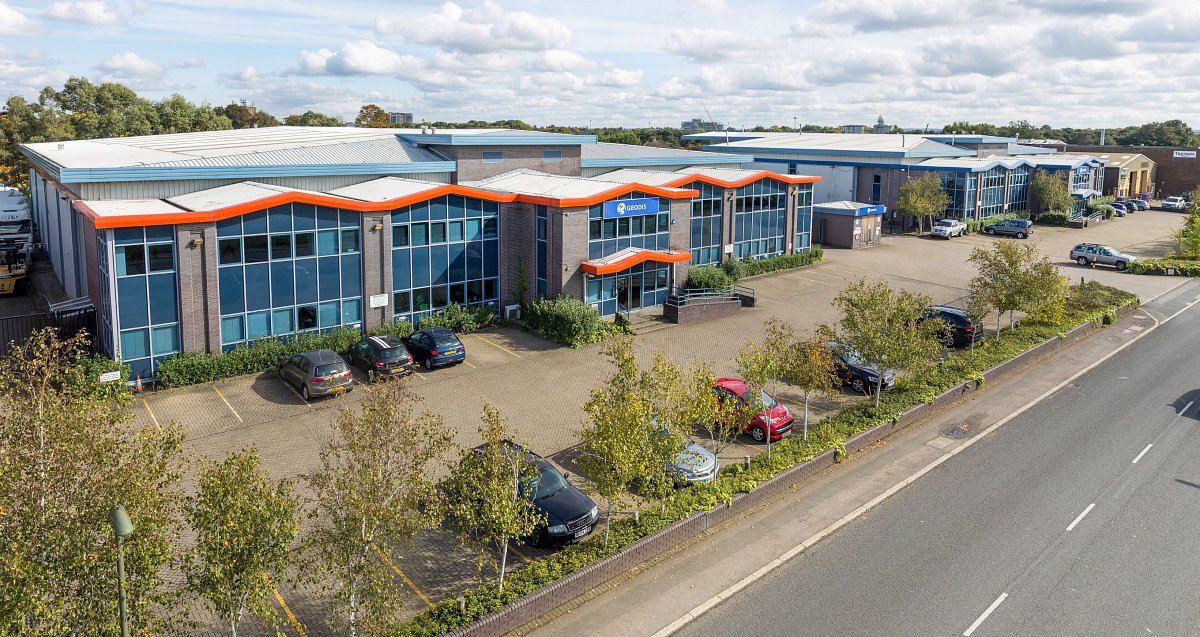
Action Court Warehouse Extension
Read More
CFRP and HPC Concrete Strengthening for Brindleyplace
Read More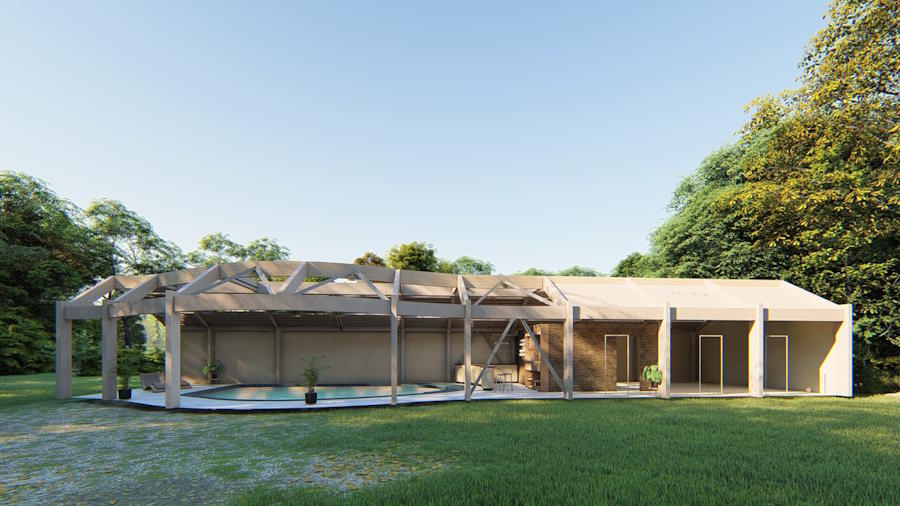
Leisure Swimming Pool House Design
Read More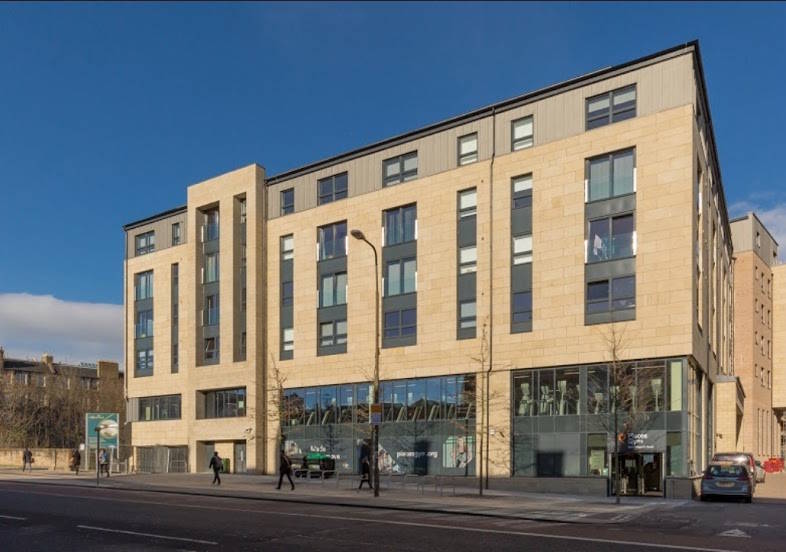
Engine Yard Punching Shear Slab Strengthening
Read More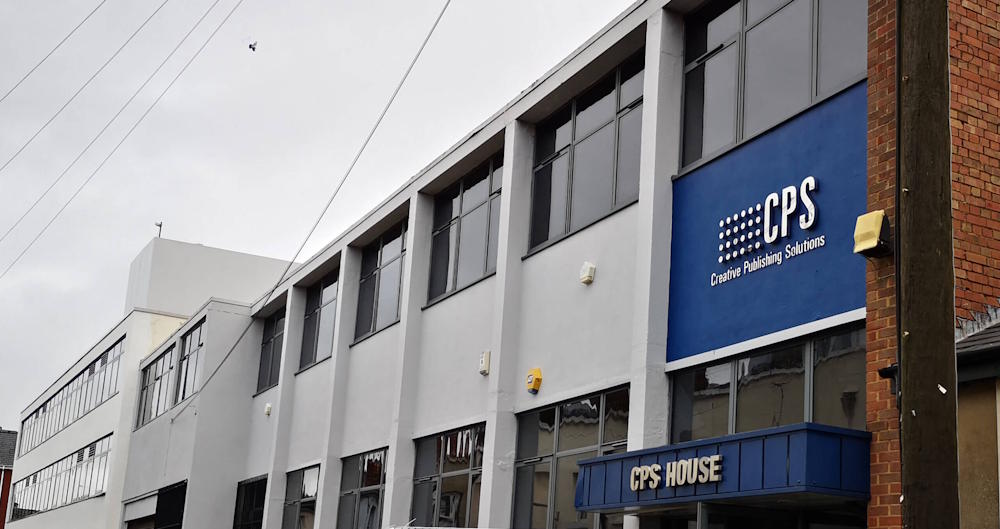
CPS House Jacketing to Strengthen RC Beams
Read More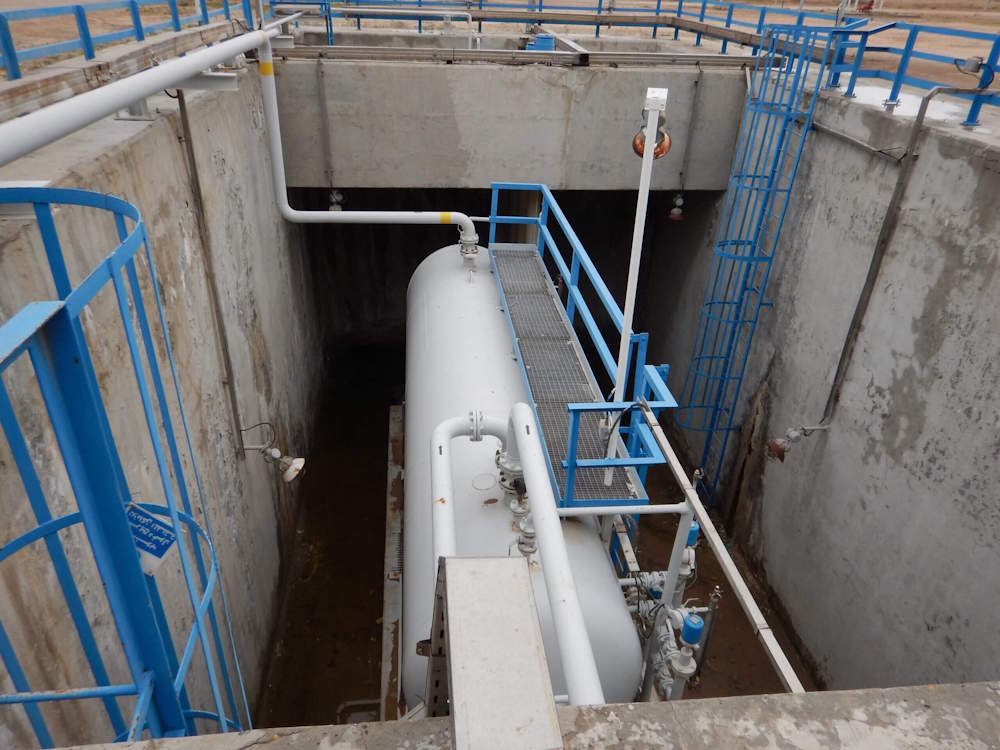
BP Deep Water Sump Assessment and Concrete Repair Design
Read More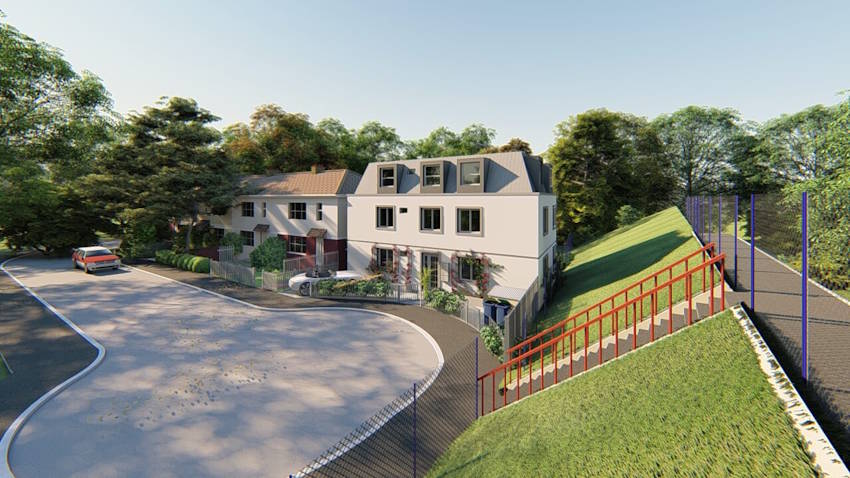
Planning Application for Three Story Residential Building
Read More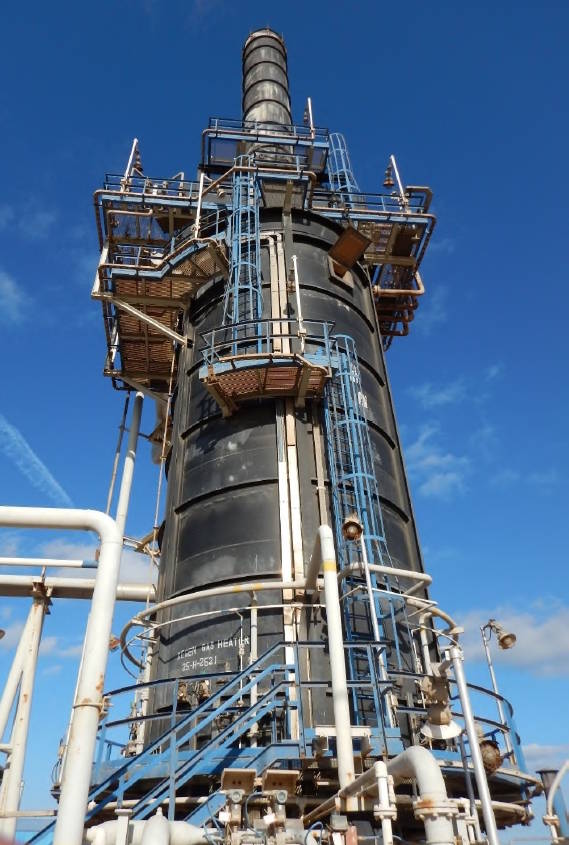
BP Heater Foundation Concrete Repair
Read More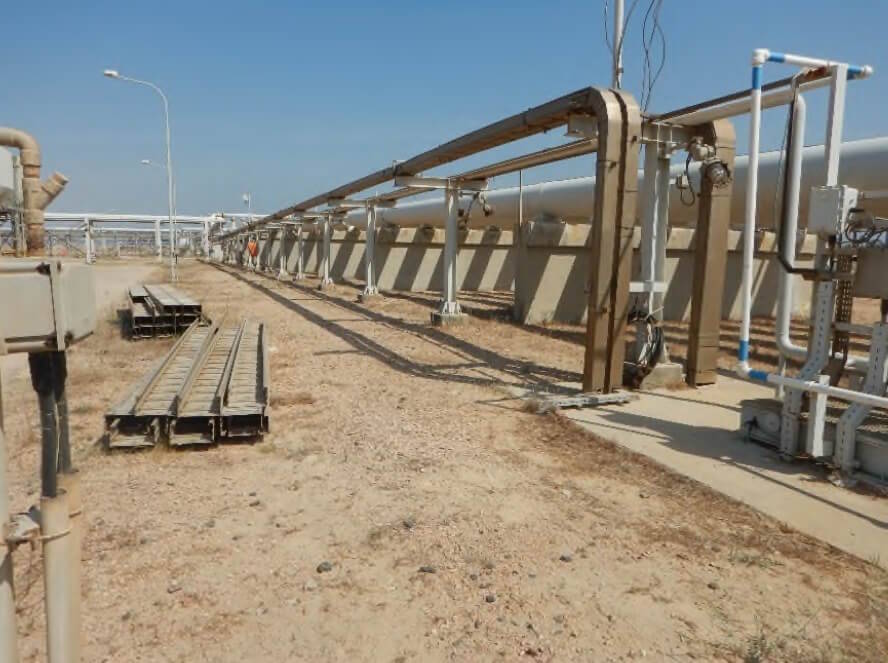
BP GF Gas Plant – Slug Catcher Foundation Walls RC Repair
Read More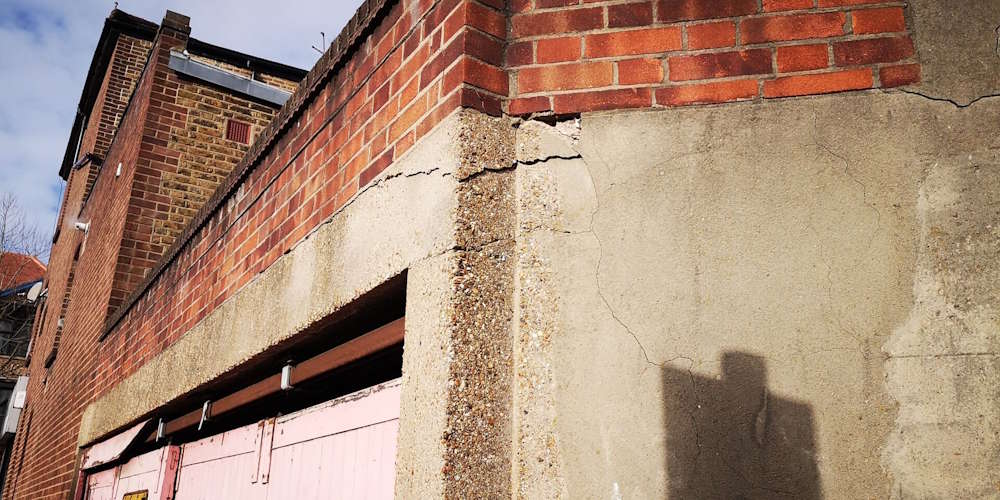
Fulham Palace Road Temporary Works Design
Read More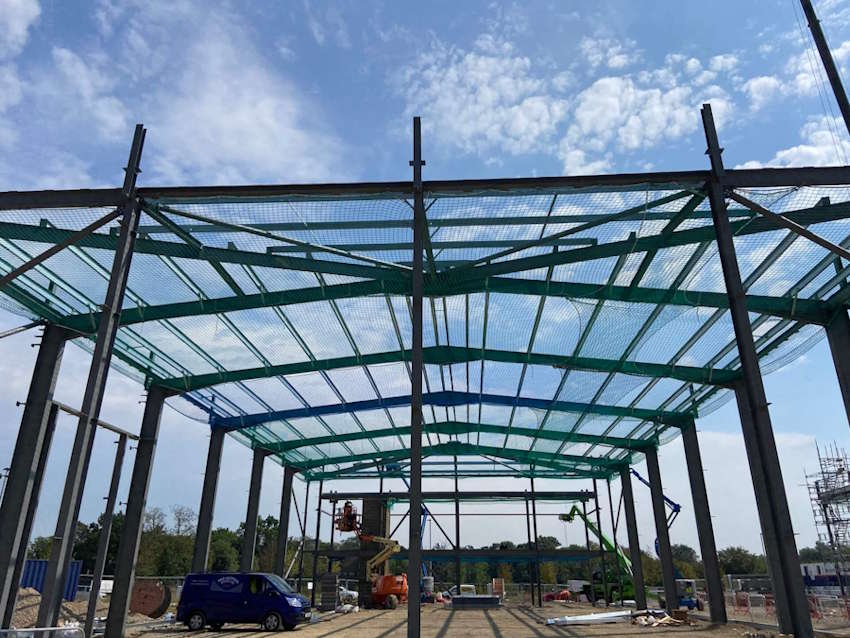
Value Engineering for Warehouse and Office Building
Read More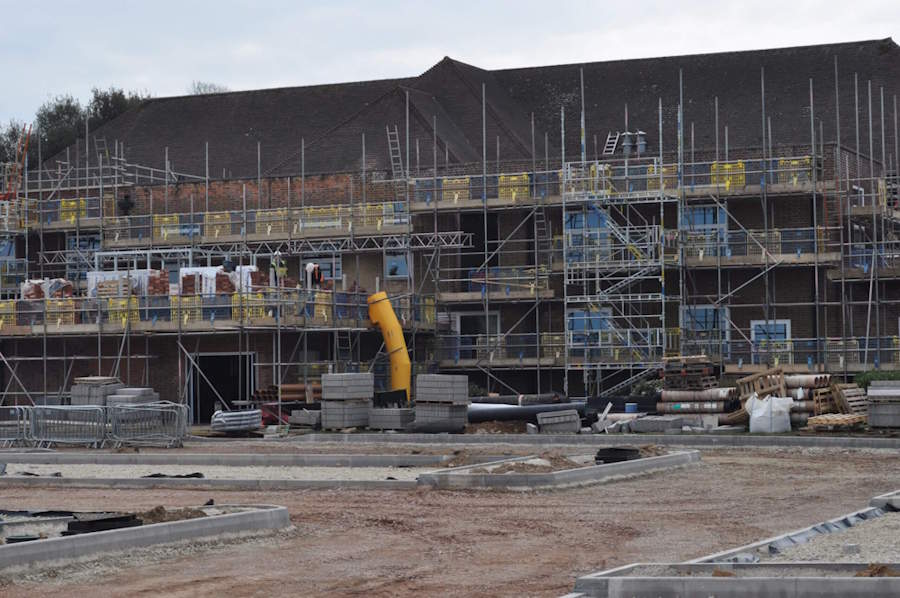
Harwell Campus-Concrete Strengthening
Read More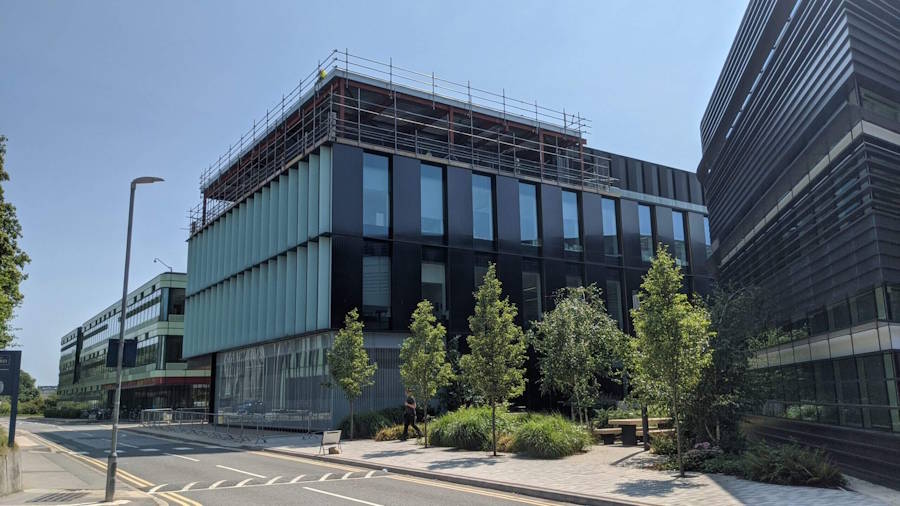
Kennedy Institute Extension - Flat Slab Punching Shear Strengthening
Read More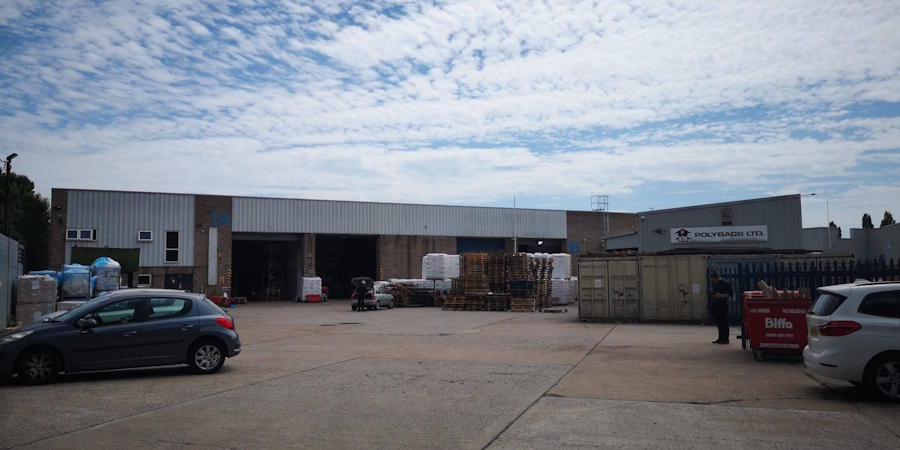
Polybags Ltd Warehouse Extension in Lyon Way
Read More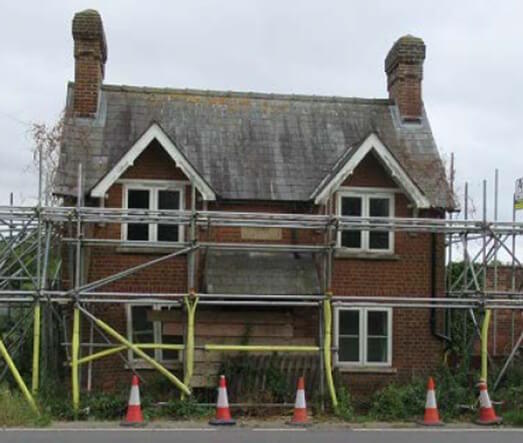
Structural Repairs of a Listed Building
Read More
Orchard House – RC Column Strengthening using CFRP
Read More
Structural Design of 3 Storey Building
Read More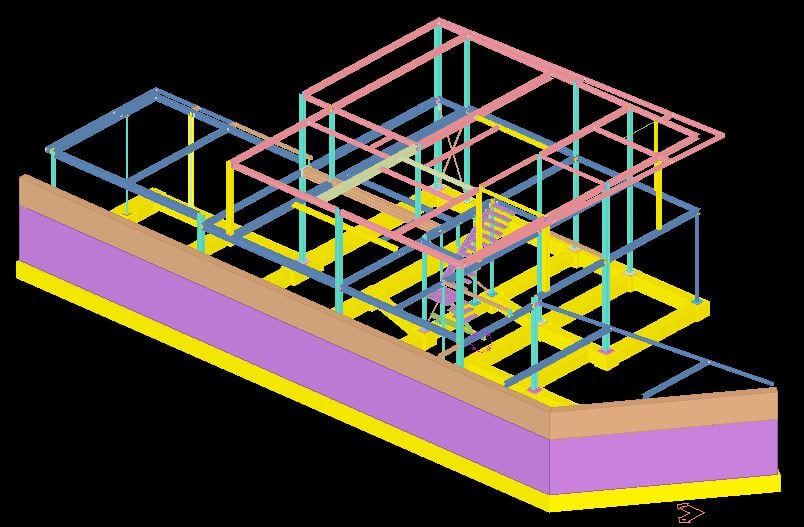
Queens Rise- Steel Structure Connection Design and Detailing
Read More
Stanmore House Strengthening
Read More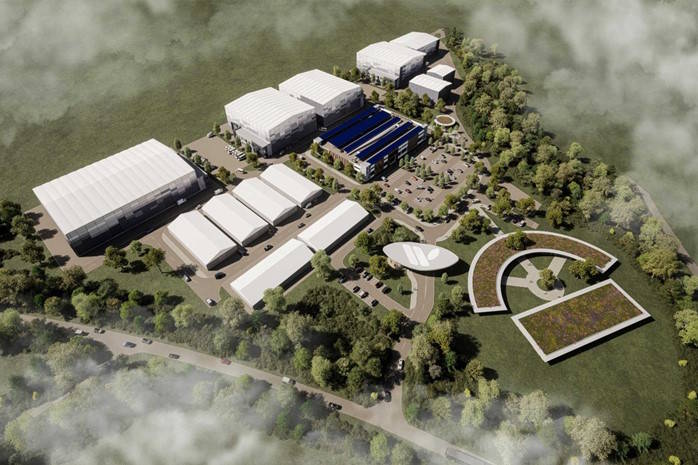
Stage 50 Wycombe Film Studios Village
Read More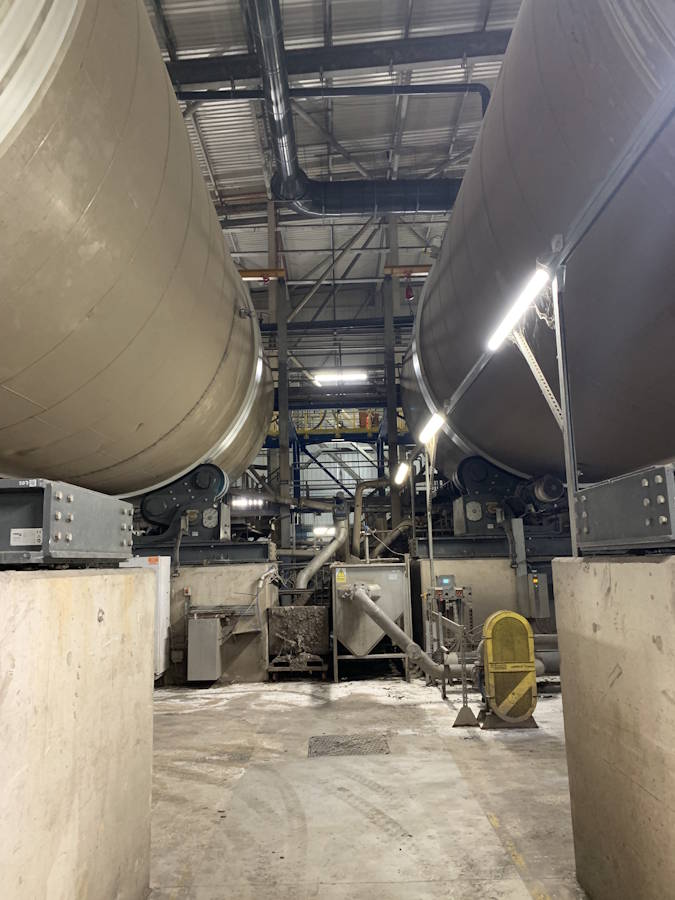
Energy from Waste Plant - Process Water Drainage Design
Read More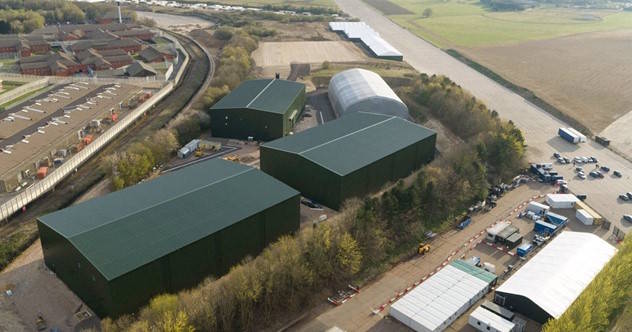
Stage 50 Bovingdon Airfield Studios
Read More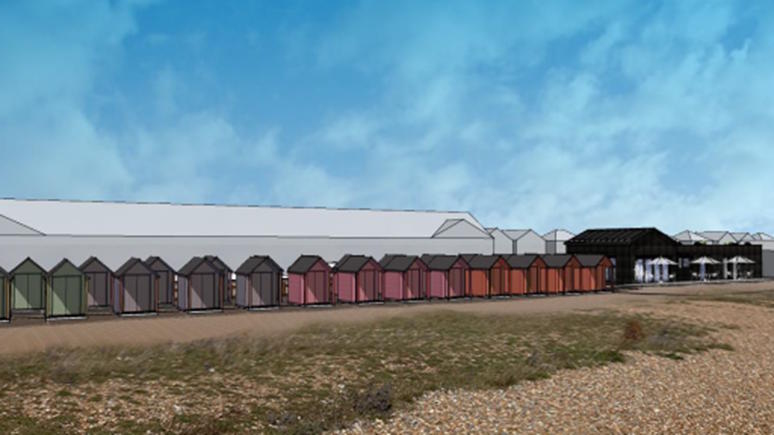
Coast Drive Visitor Centre, Watersport and Beach Huts
Read More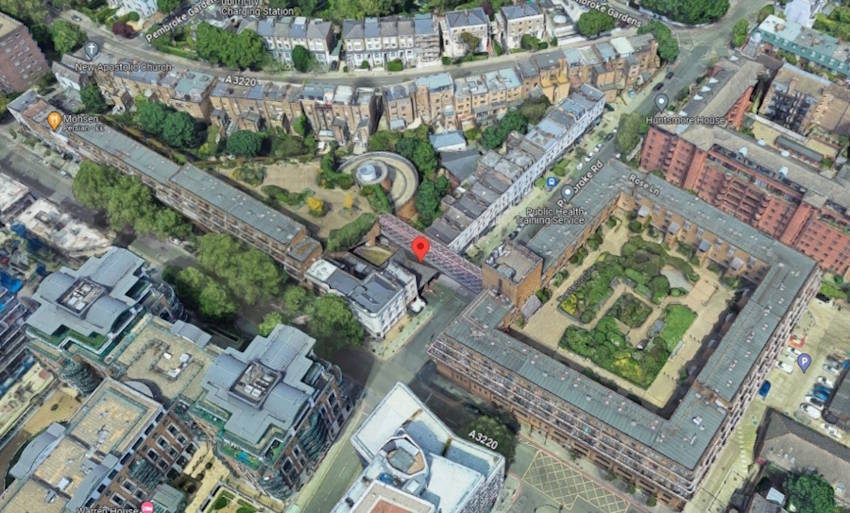
Northside Garages Structural Investigation
Read More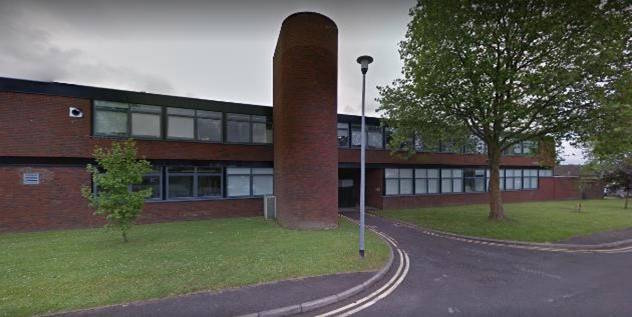
RAAC Investigation and Structural Strengthening
Read More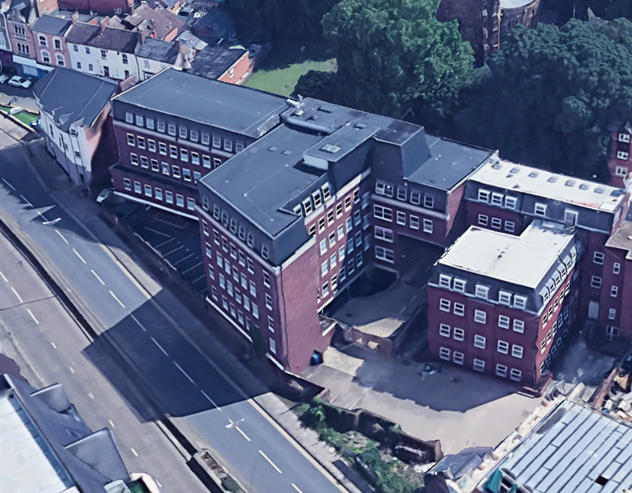
Spire Academy (Horizon Academy) Car Park Refurbishment
Read More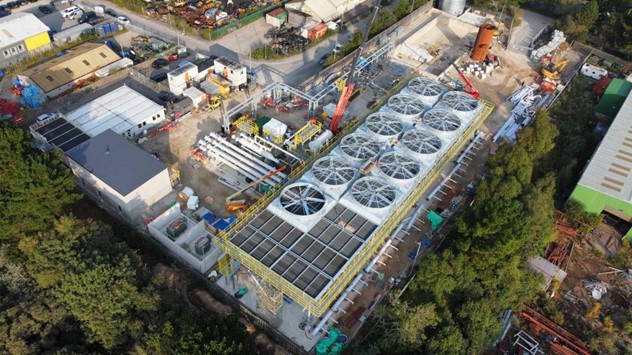
United Downs Deep Geothermal Power Plant
Read More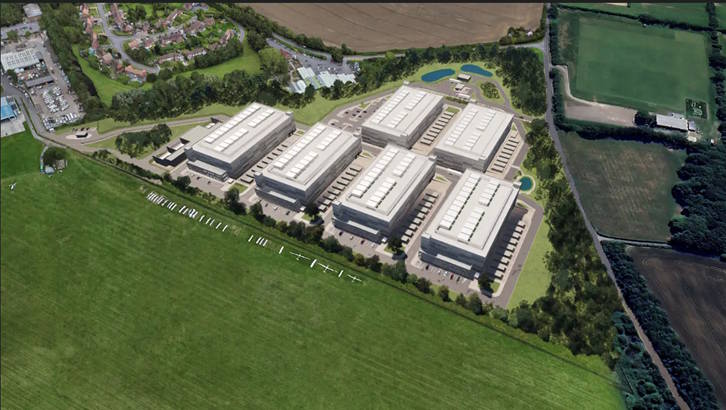
Wycombe Air Park- Data Centre
Read More