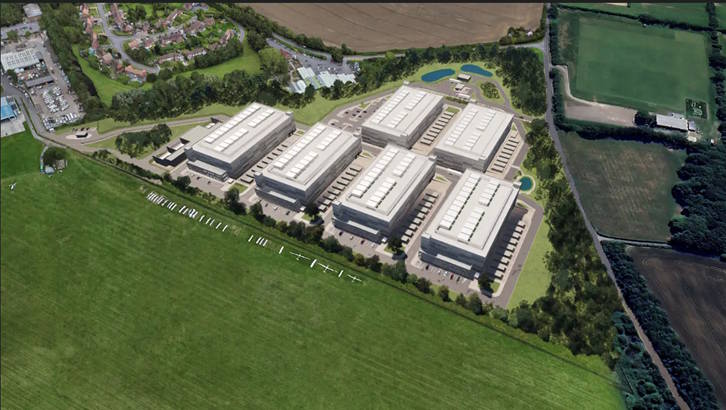
Beta Design Consultants provides sustainability-focused support services for residential, commercial, mixed-use, and refurbishment projects across planning, design, and development stages.
As sustainability requirements continue to shape the built environment sector, environmental performance and carbon reduction are becoming increasingly integrated within planning applications and project delivery processes. Local authorities, environmental policies, and evolving industry standards continue to place greater emphasis on sustainable development, energy efficiency, and long-term environmental performance.
Our services aim to support clients, consultants, and project teams through clear sustainability strategies, environmental documentation, and coordination support tailored to the specific requirements of each project. Sustainability considerations are integrated alongside planning, structural, civil, and architectural design processes to support practical and coordinated project delivery.
Approach
Our approach focuses on integrating sustainability considerations into the wider design and development process in a practical, coordinated, and project-specific manner.
By supporting sustainability strategies early within project development, environmental objectives can be better aligned with planning requirements, technical performance, cost efficiency, and long-term project value.
Our aim is to provide practical and coordinated sustainability support that responds to the environmental, technical, and planning requirements of each development.
Sustainability-Focused Projects
Beta Design Consultants have experience working on projects where sustainability considerations formed part of the wider planning, structural, civil, and architectural design strategy. Across a range of residential, commercial, industrial, leisure, and mixed-use developments, environmental performance and carbon reduction measures have been integrated through practical and project-specific design approaches.
These projects demonstrate experience relating to:
- Reduction of operational and upfront carbon
- Fabric first design strategies
- Sustainable drainage systems (SuDS)
- Modular and lightweight construction methods
- Optimisation of structural systems
- Reduced site intervention and excavation
- Environmentally responsive design approaches
- Consideration of ecological and planning requirements
Johnson Steel Industrial Warehouse, Ealing
This project incorporated net-zero carbon offsetting and carbon reduction strategies through a fabric-first approach. Measures included optimisation of the steel structure, improved insulation performance, specification of glazing and cladding systems, and the integration of solar panels across the roof.
Parkstone House Pool House, Hornchurch
The project adopted net-zero carbon design principles focused on reducing operational and upfront carbon emissions. Sustainability measures included the use of a timber glulam structural system, enhanced insulation performance, and careful specification of glazing and cladding materials.
Coast Drive Visitor Centre, Folkestone
This development integrated sustainable drainage strategies, including permeable paving, while responding sensitively to the surrounding ecological landscape. The design minimised civil engineering intervention by working with the existing topography and reducing excavation and site disruption. Lightweight construction methods were also adopted to reduce the overall carbon footprint and contribute towards a BREEAM Very Good rating.
Wycombe Films Production Village, Buckinghamshire
The project utilised modular construction methods to optimise the construction footprint and minimise impact on the temporary greenfield site. Sustainable drainage measures included permeable paving, attenuation systems, infiltration basins, and the reduction of off-site water discharge.
Services
Sustainability Statements
Preparation and coordination of sustainability information required as part of planning submissions and local authority requirements. This may include energy strategies, environmental considerations, carbon reduction approaches, and supporting sustainability documentation.
BREEAM Coordination Support
Support with sustainability documentation, environmental reporting, and coordination relating to BREEAM assessment processes. This may include assisting project teams with sustainability targets, evidence gathering, and environmental strategy coordination.
Net Zero Carbon Design
Support relating to operational and upfront carbon reduction through practical and coordinated low-carbon design strategies. Measures may include fabric-first approaches, optimisation of building performance, material selection, and renewable energy integration.
Energy Strategy
Development of energy performance strategies relating to building efficiency, environmental performance requirements, and low-carbon building systems. This may include support relating to insulation performance, glazing specification, solar energy integration, and reduction of operational energy demand.
Sustainable Drainage Systems (SuDS)
Integration of sustainable drainage strategies, including permeable paving, attenuation systems, infiltration measures, and water management solutions to support environmental performance and planning requirements.
Retrofit & Refurbishment Sustainability Support
Environmental support for refurbishment projects, energy upgrades, and improvements in existing building performance through practical, low-carbon design interventions.
Environmental Research & Reporting
Preparation of sustainability-related reports, environmental research, planning support documentation, and coordination of sustainability information across project teams.
Carbon Reduction Strategies
Support for reducing operational and upfront carbon through structural optimisation, material efficiency, reduced site intervention, and sustainable construction approaches.
Related projects
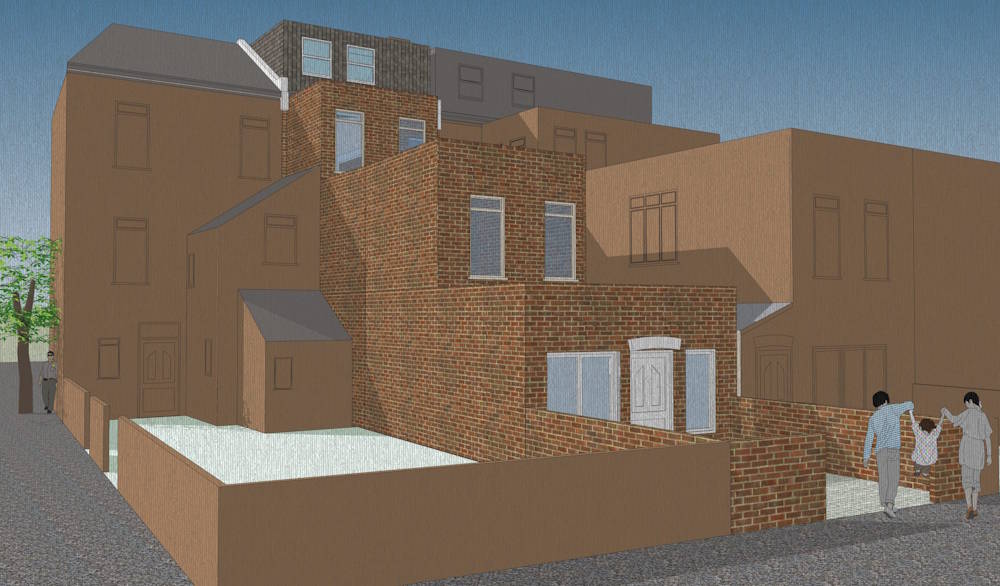
Planning Permission for 21 Boston Road Townhouse Conversion
Read More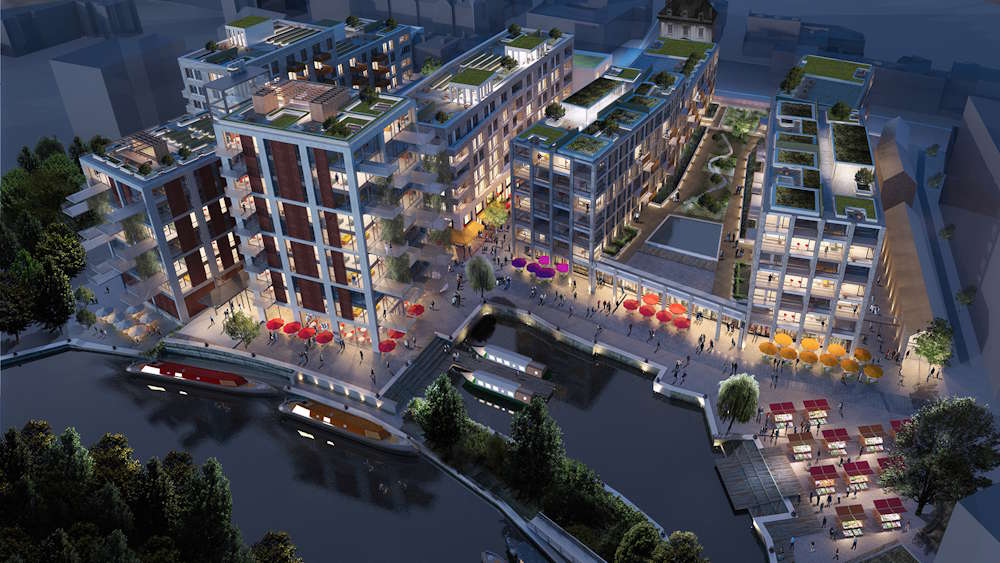
Brentford Waterfront Block B and C Temporary Works Design
Read More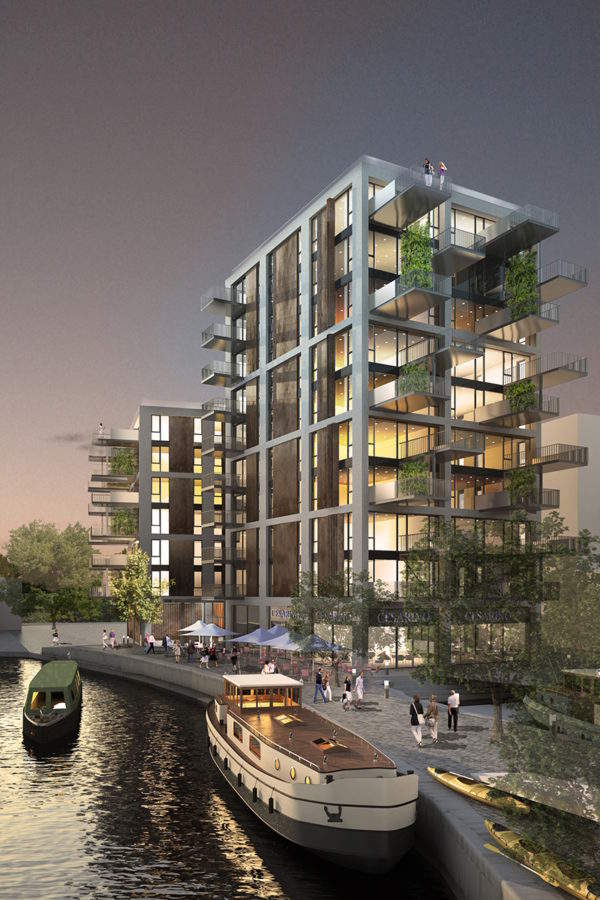
Brentford Waterfront Block K Temporary Works Design
Read More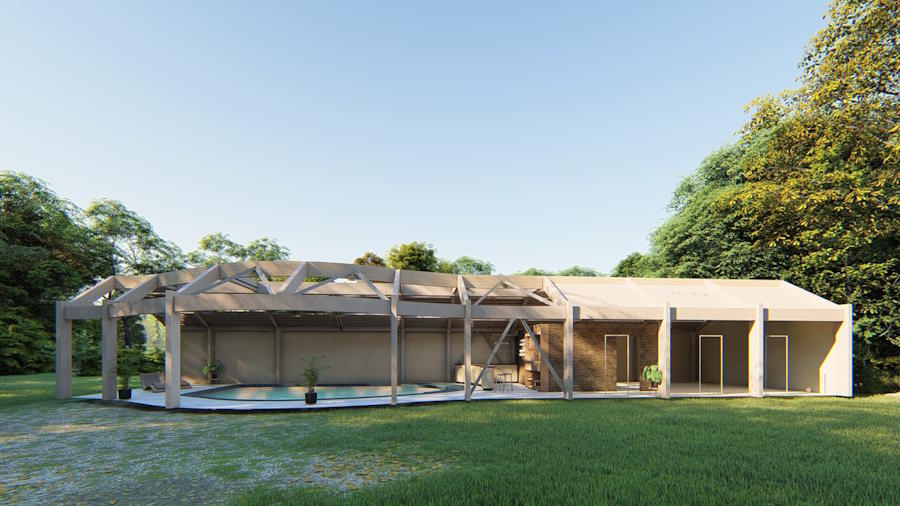
Leisure Swimming Pool House Design
Read More
Engine Yard Punching Shear Slab Strengthening
Read More
BP Deep Water Sump Assessment and Concrete Repair Design
Read More
Planning Application for Three Story Residential Building
Read More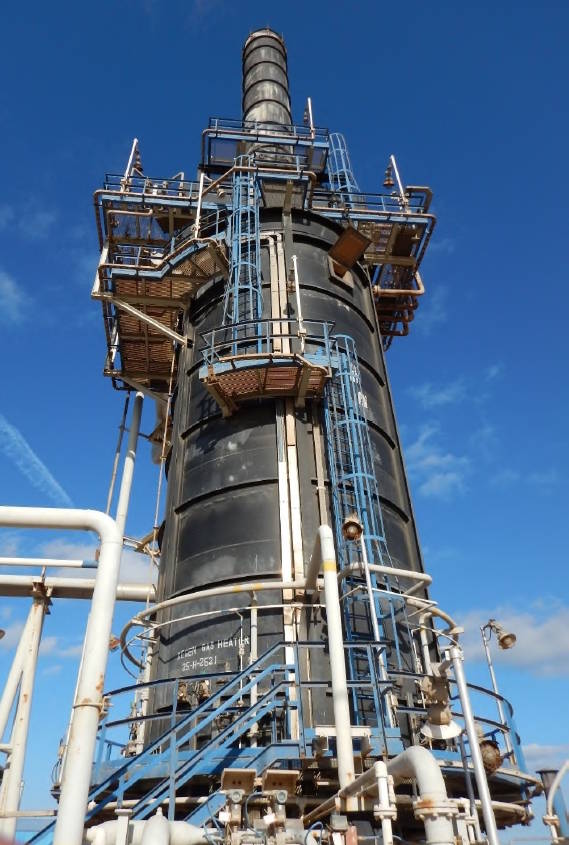
BP Heater Foundation Concrete Repair
Read More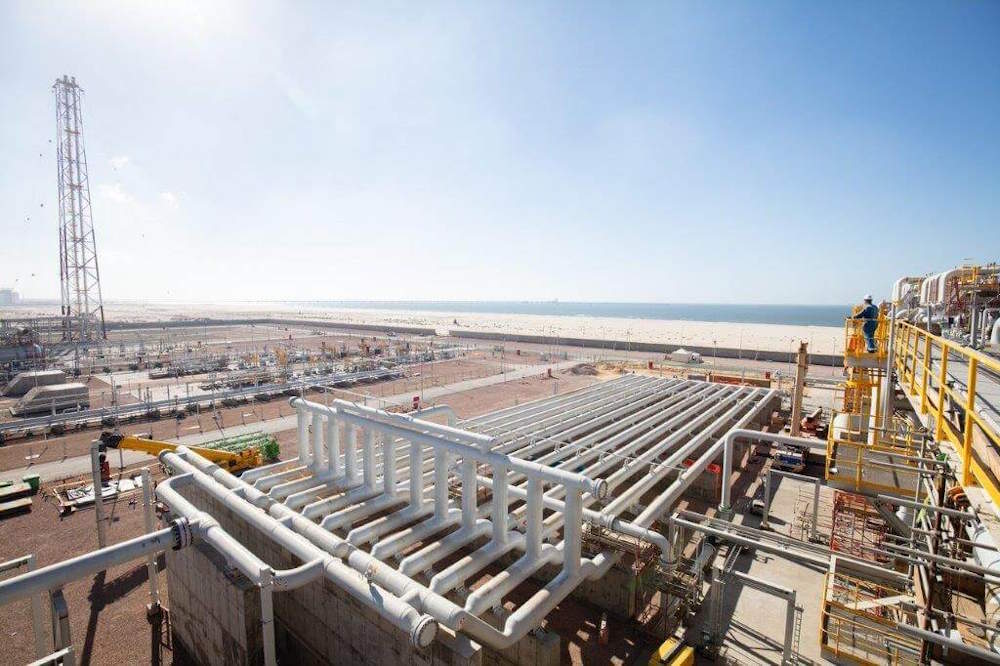
BP GF Gas Plant Asset Integrity and Refurbishment
Read More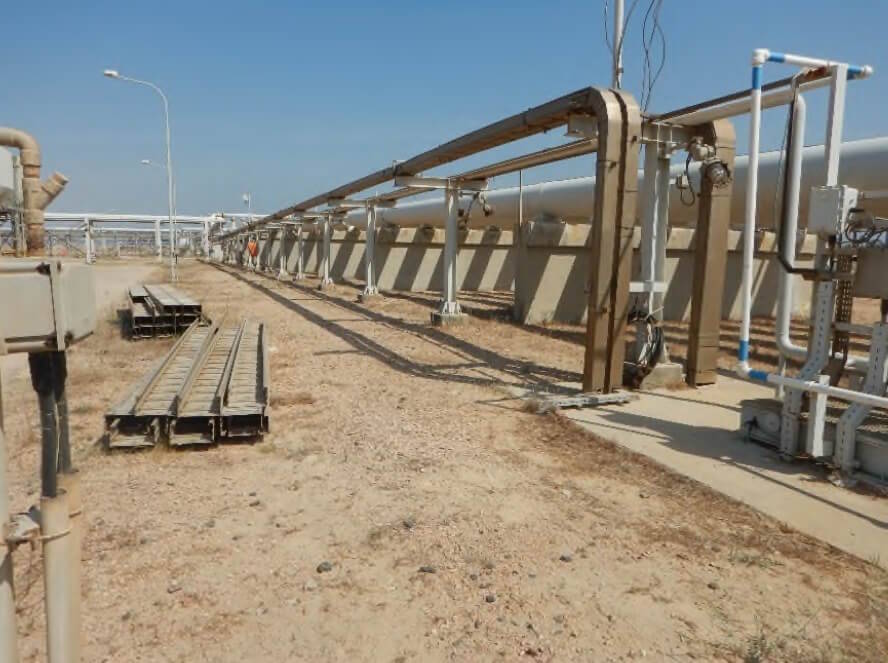
BP GF Gas Plant – Slug Catcher Foundation Walls RC Repair
Read More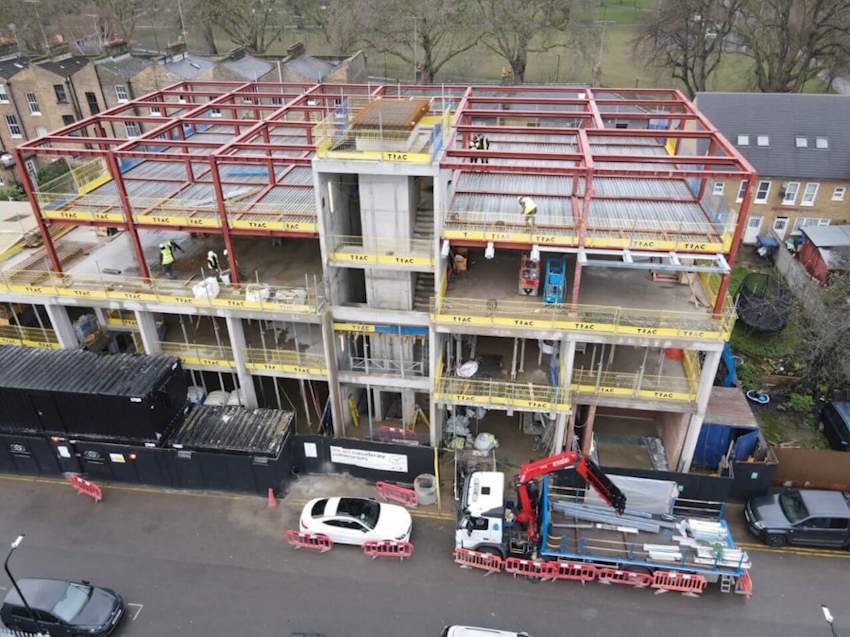
Helmsley Place-Steel Connections Design and Detailing
Read More
Kennedy Institute Extension - Flat Slab Punching Shear Strengthening
Read More
Planning Permission for a Basement in a Conservation Area
Read More
London Hippodrome Roof Extension – Structural Design and Detailing
Read More
Structural Repairs of a Listed Building
Read More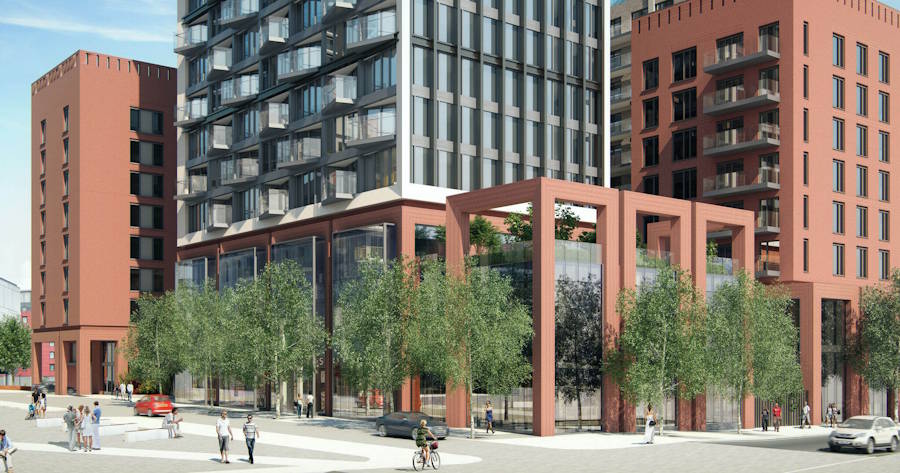
One West Point – Design of Support System for Cladding
Read More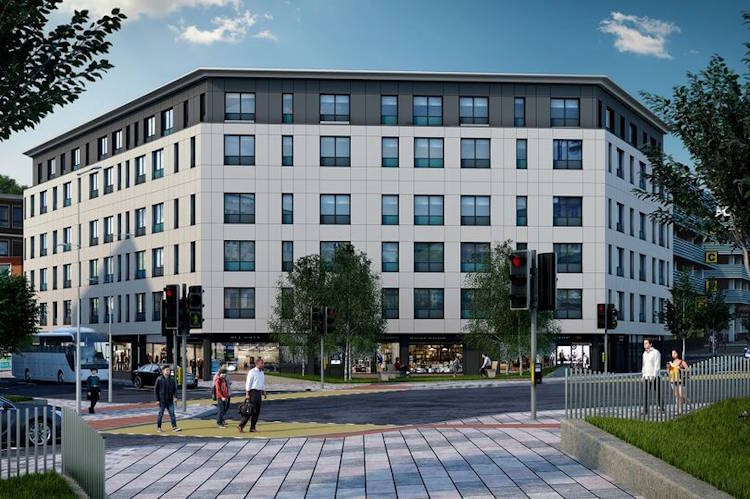
Orchard House – RC Column Strengthening using CFRP
Read More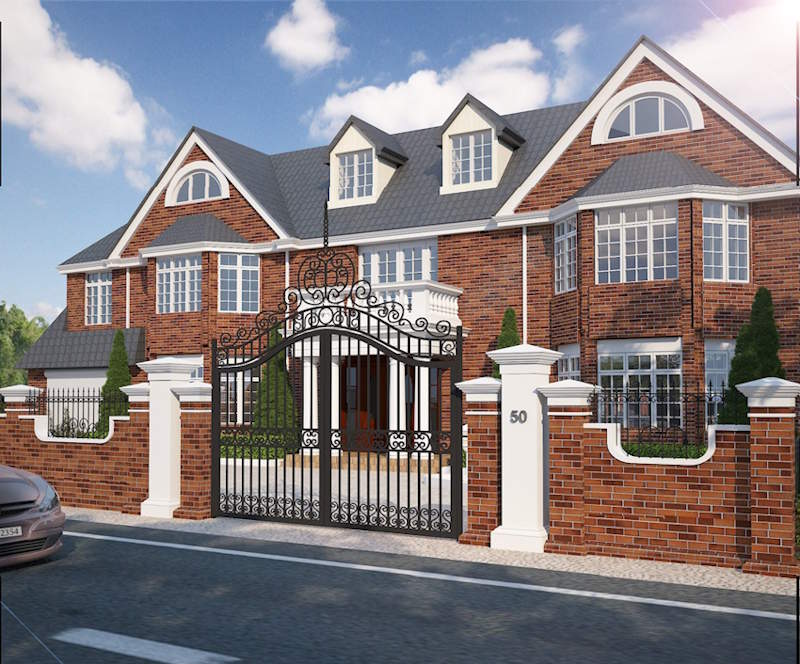
Structural Design of 3 Storey Building
Read More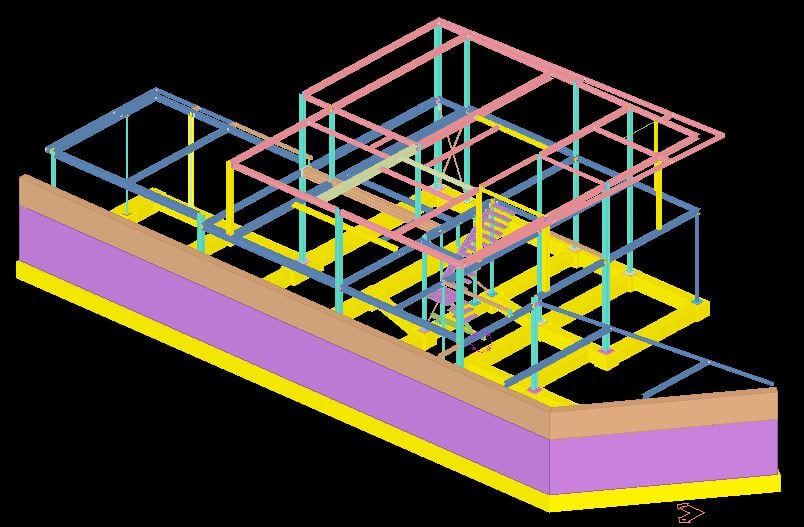
Queens Rise- Steel Structure Connection Design and Detailing
Read More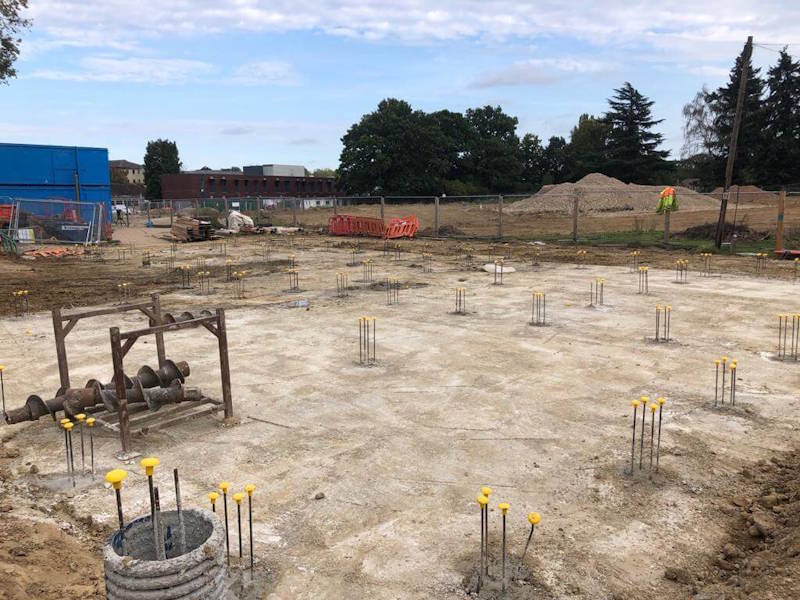
St Peter’s Hospital Staff Accommodation, Piled Rafts Design
Read More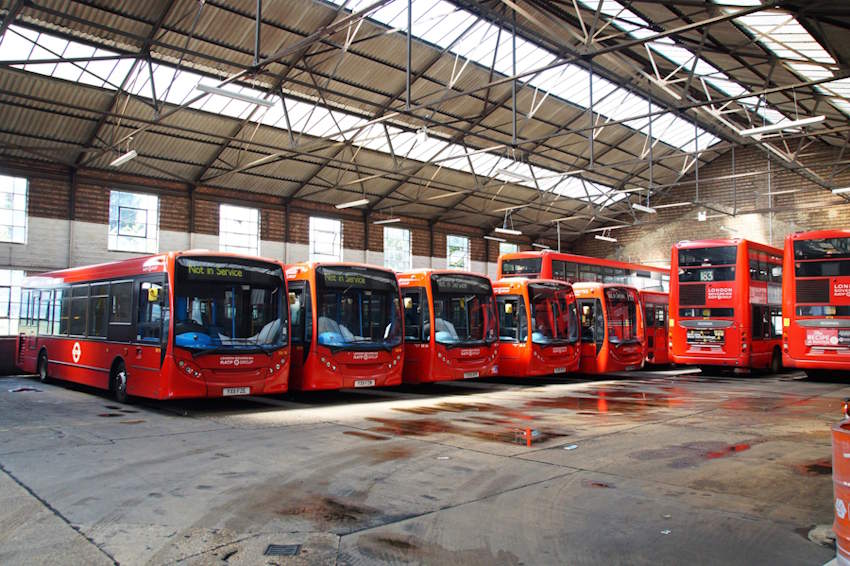
Bus Depot Electrification Harrow
Read More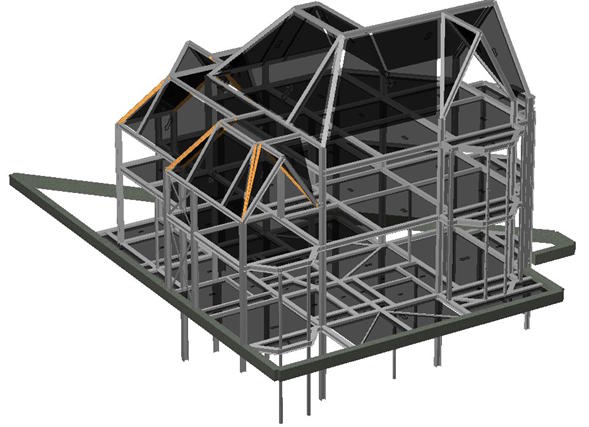
Grove Park Gardens 4 Storey Residential Development
Read More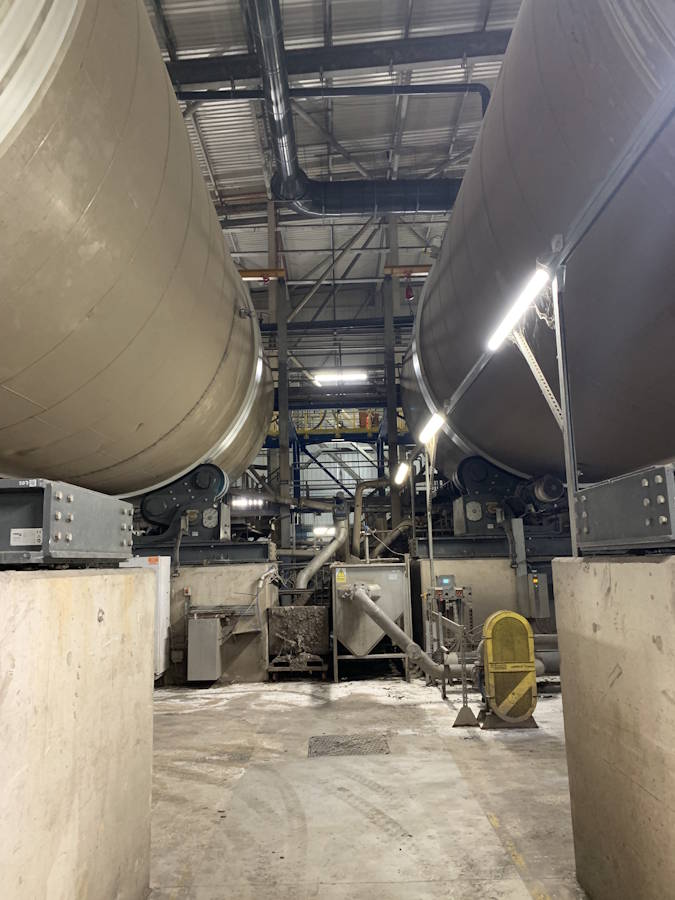
Energy from Waste Plant - Process Water Drainage Design
Read More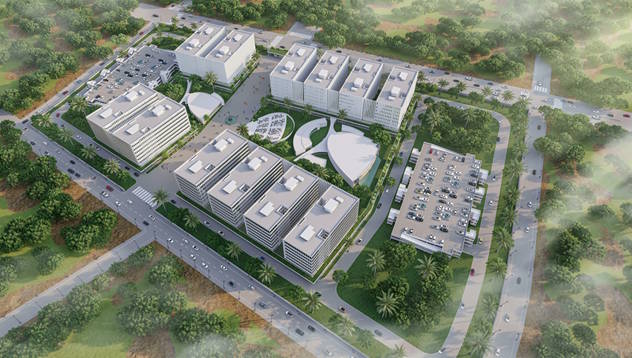
Concept Design of Cité Administrative Koloma
Read More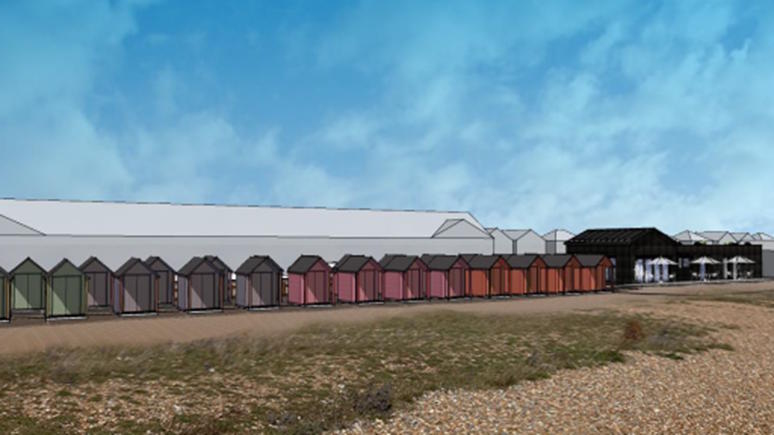
Coast Drive Visitor Centre, Watersport and Beach Huts
Read More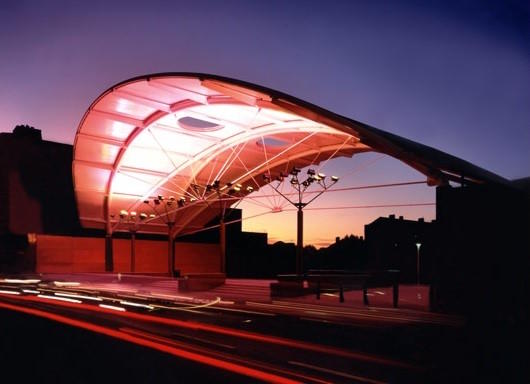
Peckham Arch Condition Survey & Life Extension Consulting Services
Read More
RAAC Investigation and Structural Strengthening
Read More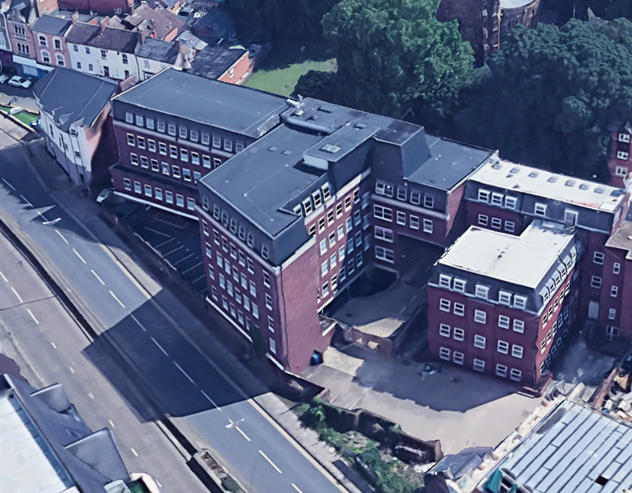
Spire Academy (Horizon Academy) Car Park Refurbishment
Read More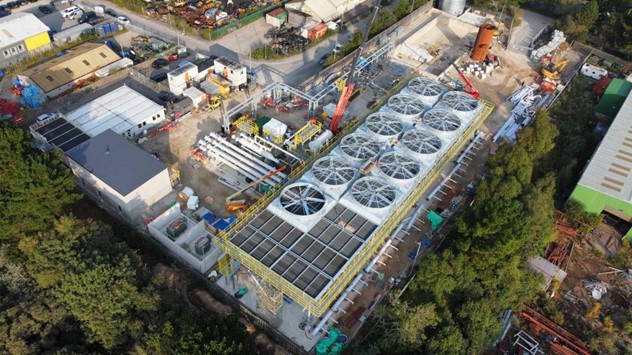
United Downs Deep Geothermal Power Plant
Read More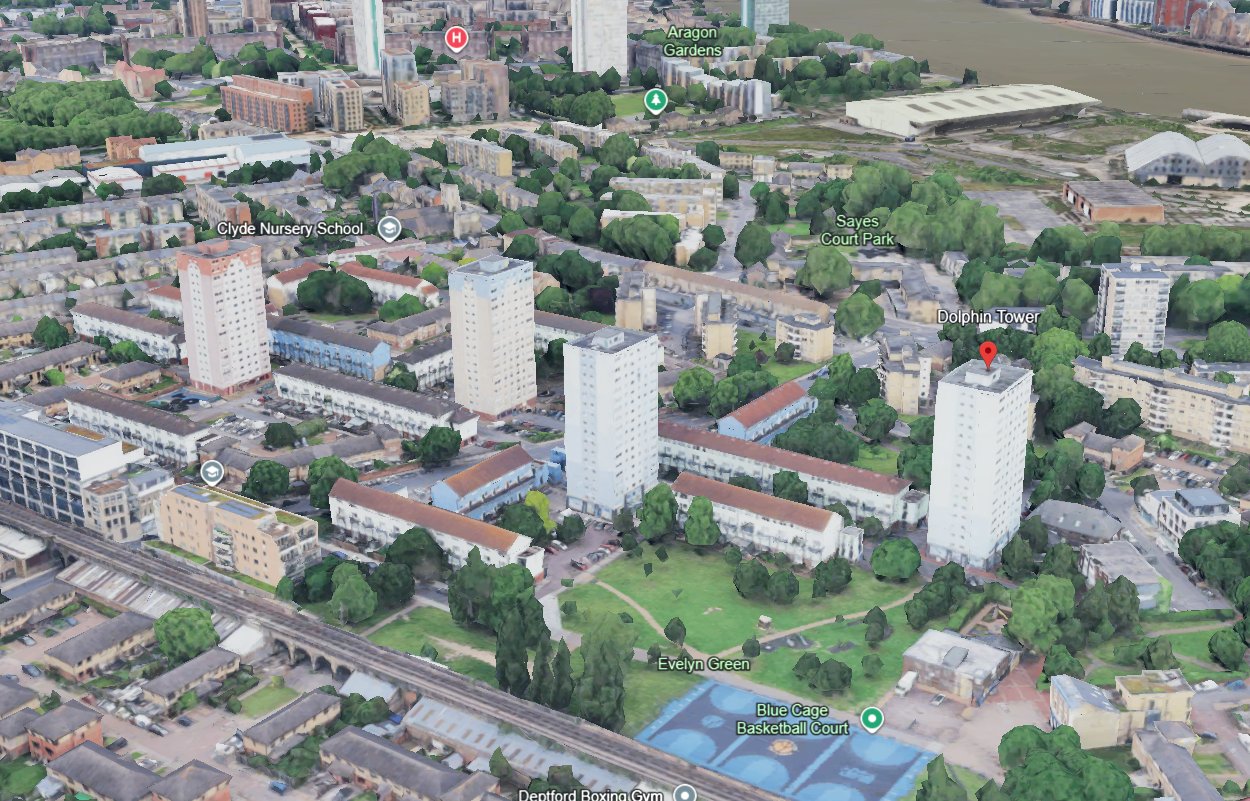
Sprinkler Tank Base Design within Existing High-Rise Residential Towers
Read More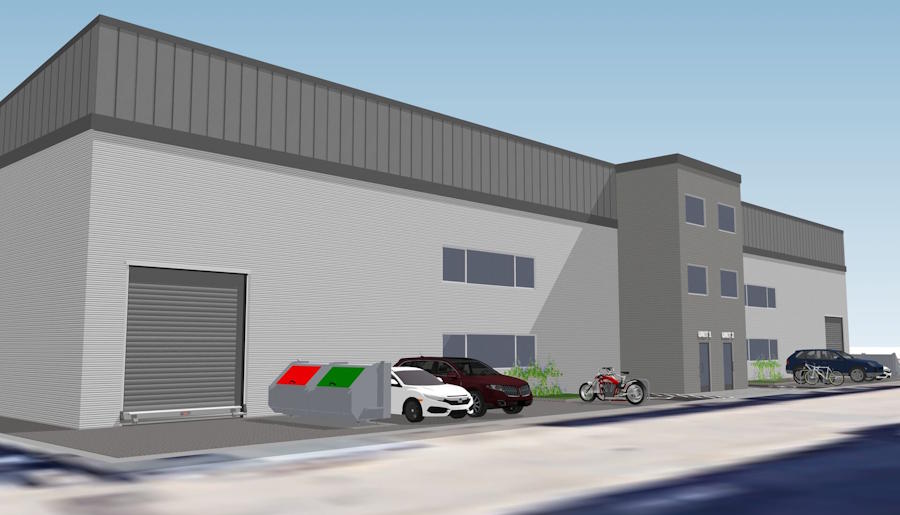
Planning Permission for New Warehouse, Ealing
Read More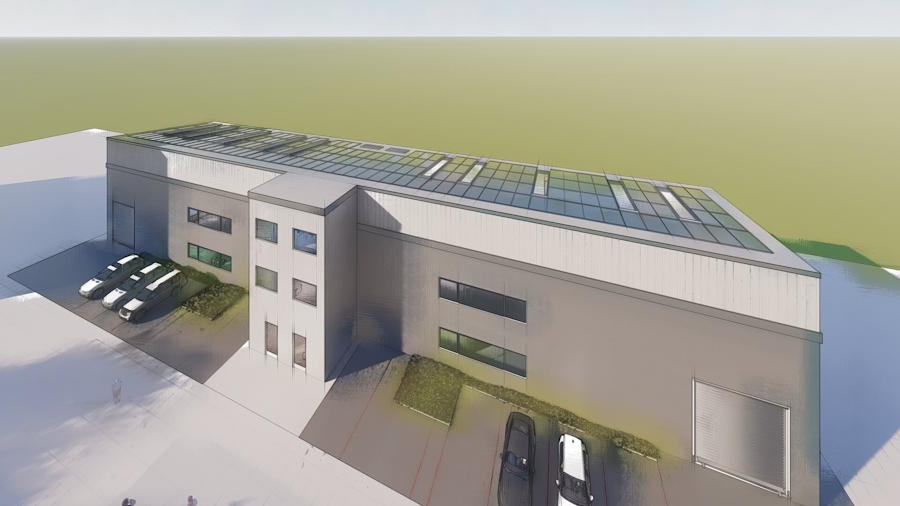
Three Story Warehouse Steel Structure Design
Read More
Unit 6-7 Queensmere Shopping Centre – Retail Units Conversion
Read More
Concept Design of Sedhiou Bridge and Roads Network
Read More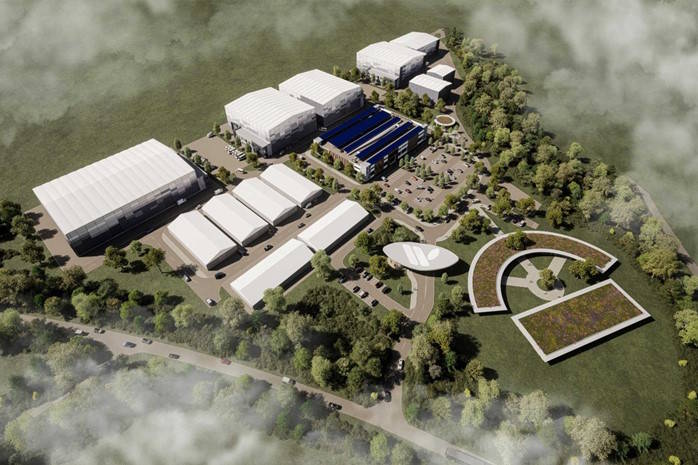
Stage 50 Wycombe Film Studios Village
Read More